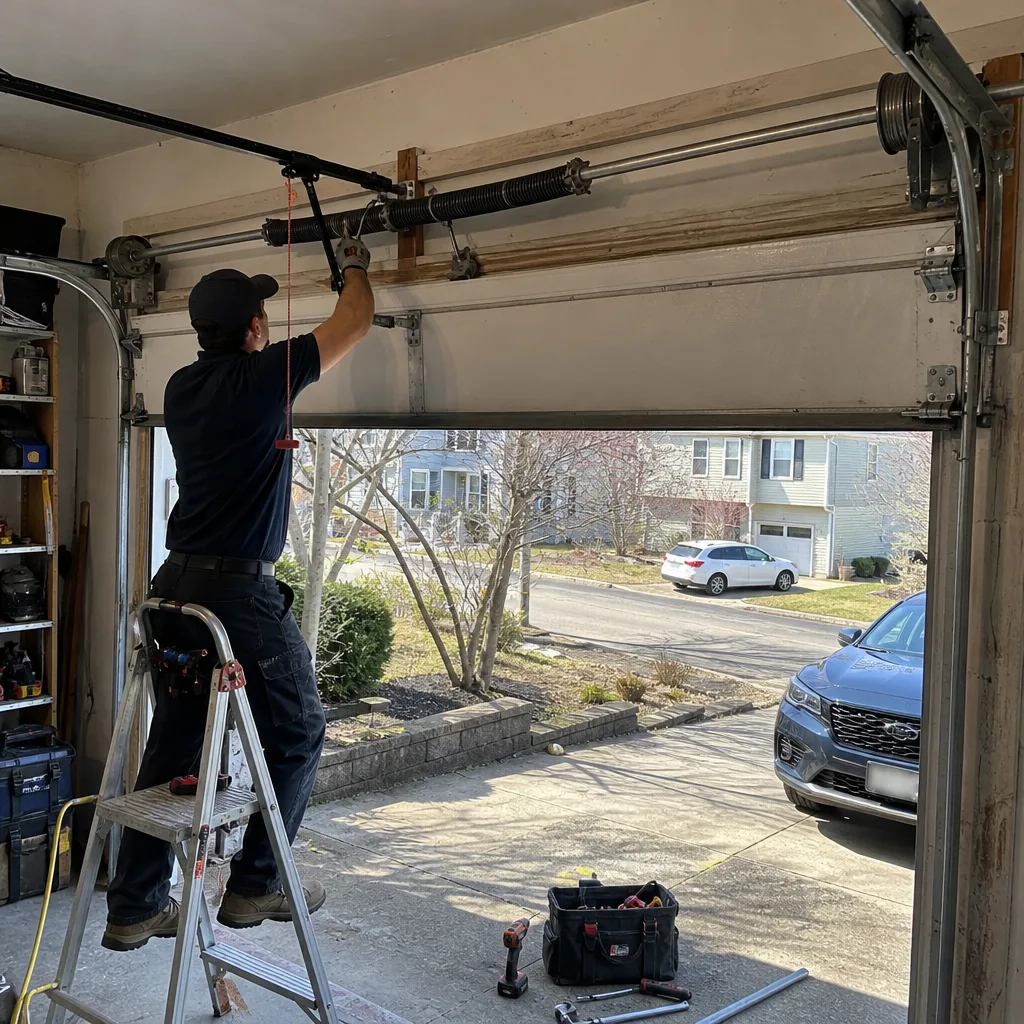
Last updated November 22, 2026
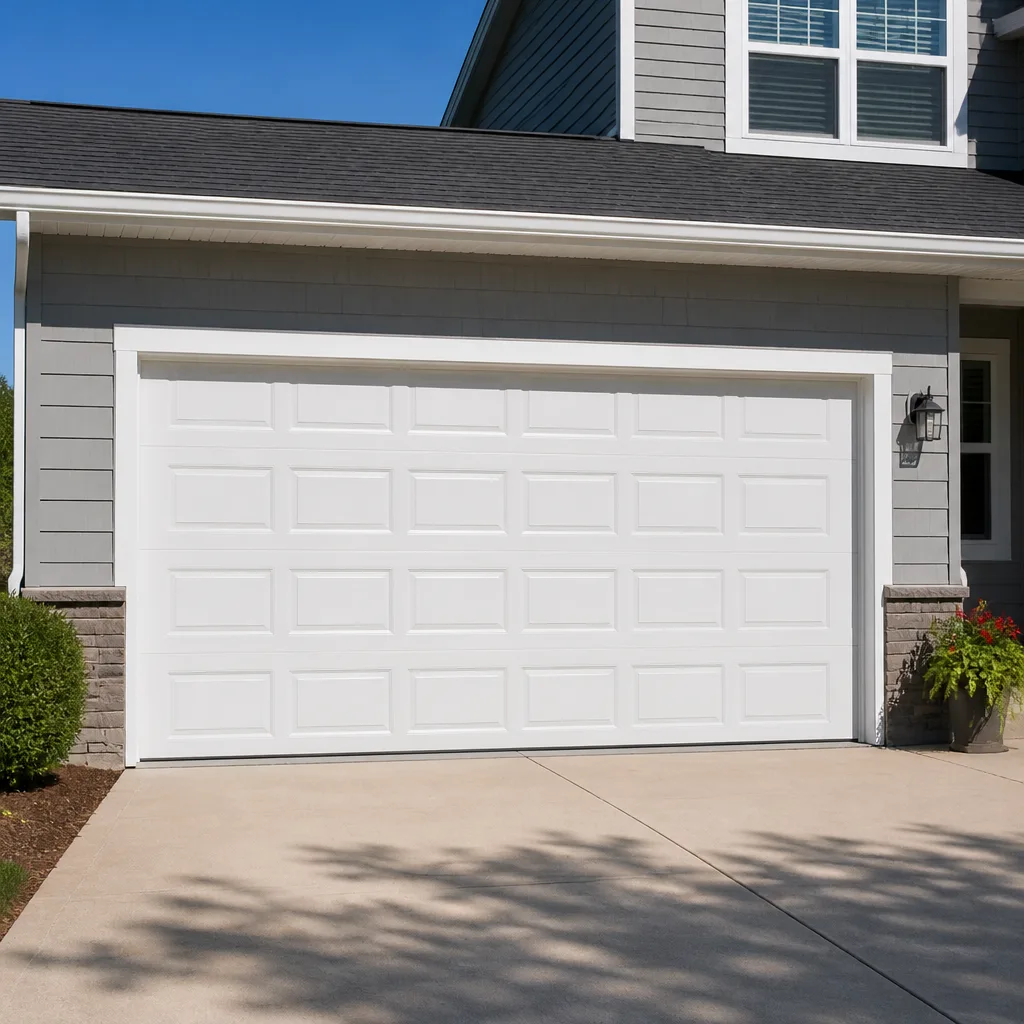 Raised-panel steel
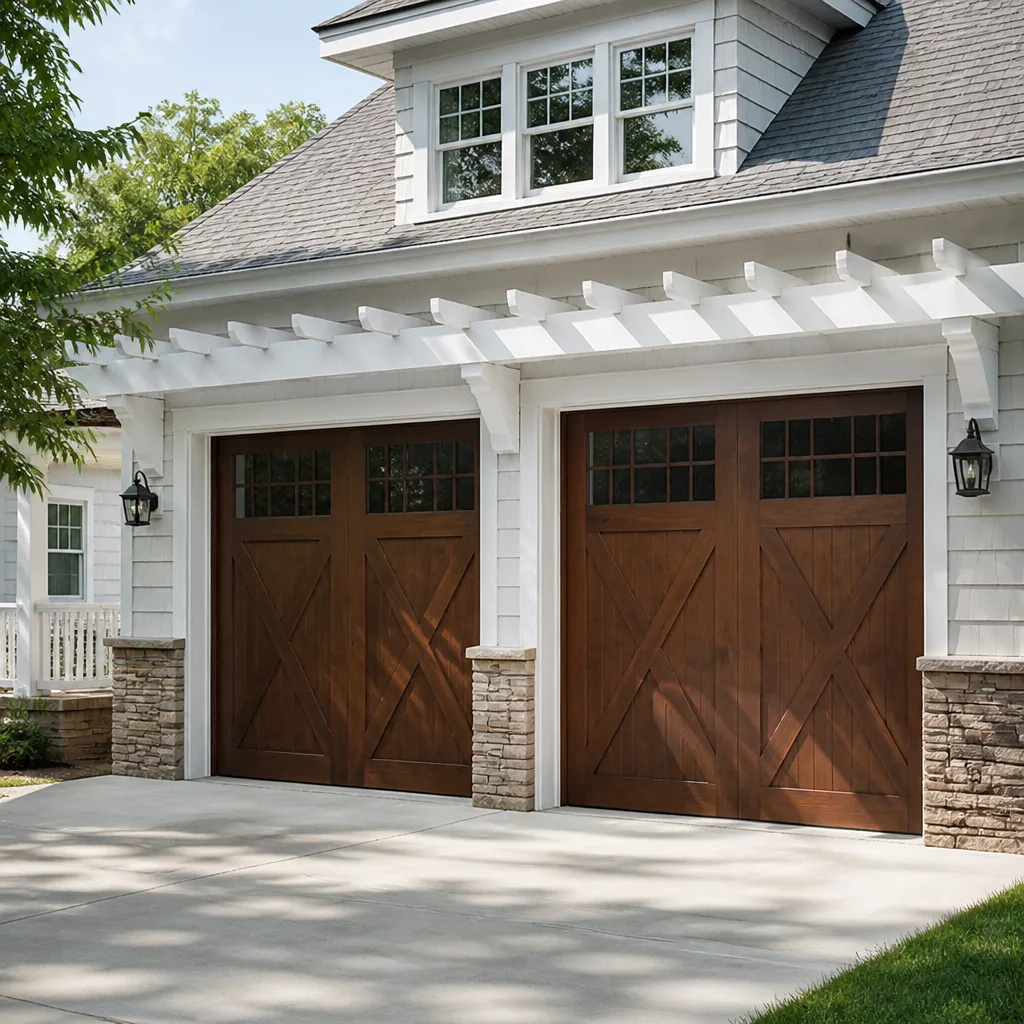 Carriage house
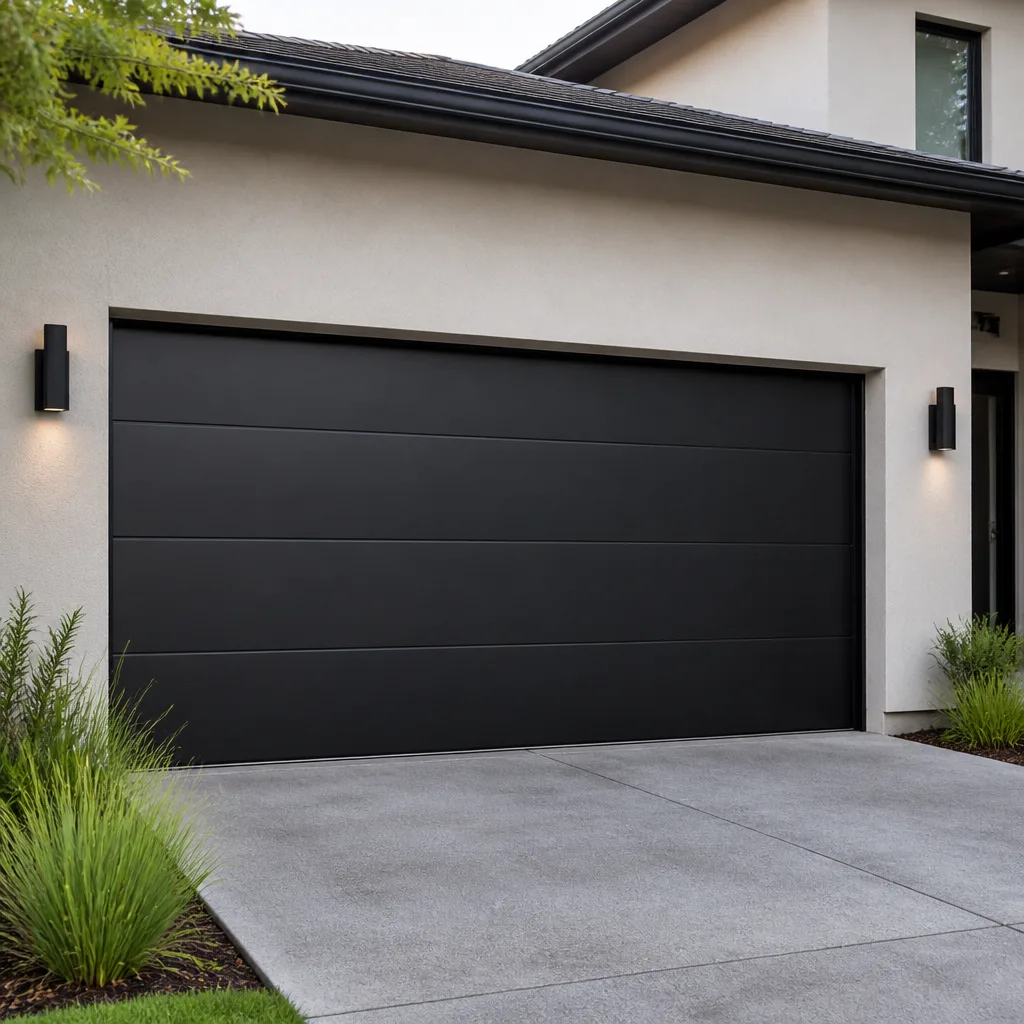 Modern flush
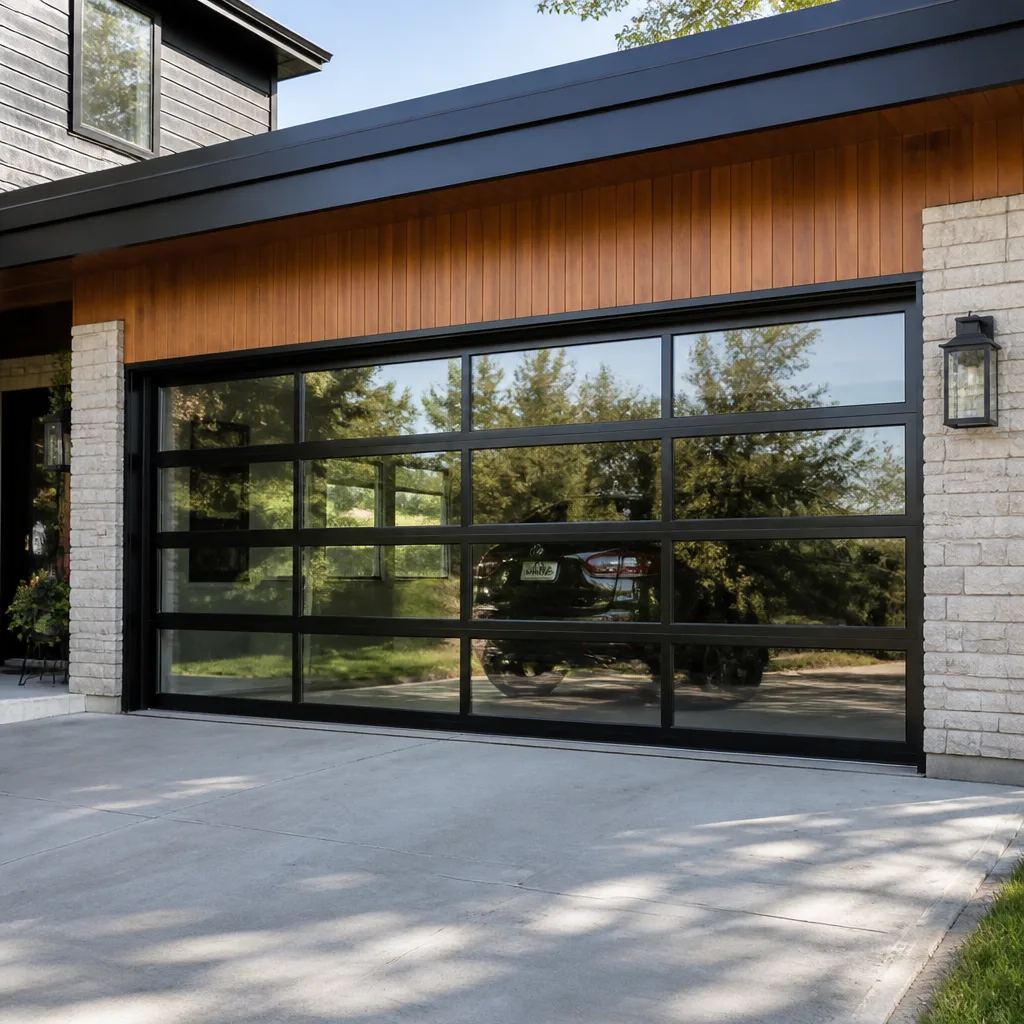 Full-view glass
 LiftMaster openers
 Chamberlain openers
Full 25-point door and opener safety check with every visit - springs, cables, rollers, tracks, and your LiftMaster or Chamberlain opener included
You get a price before we start. It does not change when the pro arrives.
Get your free estimateSeasonal Garage Door Care for Lowell: Year-Round Homeowner’s Guide
The spring that snaps in February didn’t fail because of February. It failed because of what October’s moisture did to the coil, and because skipped lubrication in November let the problem progress unchecked. That sequence is the part most homeowners miss. A garage door doesn’t break on a schedule that matches the calendar you keep; it breaks on a schedule set by the last three seasons that touched it.
Lowell sits in a pocket of New England weather that’s hard on mechanical systems. Humid summers, wet autumns, freeze-thaw winters, and roaring spring thaw cycles all work a garage door in different ways. This guide walks through each season and the specific failure mode it creates, so you can get ahead of repairs instead of reacting to them.
Quick Answer
Seasonal garage door care in Lowell means matching your maintenance to each season’s stress: fall work prevents freeze-related failures (weatherstripping, bottom seals, cable corrosion points), winter protects hardware from road-salt corrosion, spring is the highest-risk window for torsion spring failure, and summer heat drives opener limit-switch drift on steel doors. A month-by-month calendar built around Lowell’s first and last freeze dates keeps you ahead of all four.
Styles & brands we work with
- Raised-panel steel
- Carriage house
- Modern flush
- Full-view glass
- LiftMaster openers
- Chamberlain openers
Table of Contents
- Why Lowell’s Four Seasons Hit Your Door in Different Ways
- Fall Prep: The Tasks That Prevent Winter Failures
- Winter: Road Salt and the Corrosion Clock
- Spring: The Highest-Risk Window for Spring Failure
- Summer: Heat Expansion and Opener Limit-Switch Drift
- Month-by-Month Task Calendar for Lowell
- Brand-Specific Seasonal Considerations
- When to Call a Professional
Why Lowell’s Four Seasons Hit Your Door in Different Ways
Garage doors fail on a sequence, not a schedule. Each season leaves the door in a different state, and the failures that show up in one season are usually set up by the season before. Understanding that chain is more useful than memorizing a generic maintenance checklist, because it tells you why a task matters and what happens if it gets skipped.
Here’s the chain most Lowell homeowners don’t see:
- Summer: Heat expands the steel panels and stresses the opener’s travel limits. Doors start stopping short or reversing on their own.
- Fall: Moisture works into the bottom seal, the weatherstripping compresses, and the cables begin to corrode at their anchor points.
- Winter: Road salt carried in on the car accelerates corrosion on tracks and hinges. Cold stiffens the grease, which means the spring has to work harder on every cycle.
- Spring: Freeze-thaw cycles and months of added load catch up to the torsion spring. This is when most snaps happen, but the spring was already compromised months earlier.
In our experience across Lowell, the repairs we get called for in March were preventable with a single fall visit. The spring doesn’t break in March because March is cold. It breaks because October’s moisture got into the coil, and nothing was done about it before the cold locked it in.
Lowell’s housing stock adds its own complications. Older two-car garages in neighborhoods like Pawtucketville and Centralville tend to have original timber framing and older torsion setups where the age of the hardware is already a factor. Newer construction out toward the Highlands often has insulated steel doors and smart openers, which fail differently: the door itself holds up, but the electronics drift. Both cases follow the same seasonal logic. The failure point just moves.
Fall Prep: The Tasks That Prevent Winter Failures
Fall is the most important maintenance window of the year in Lowell, and it’s the one most homeowners skip. Everything you do in October and early November determines how hard your door works in January and February. If you only do one round of seasonal care, do it in fall.
Three specific tasks matter more than the rest:
Weatherstripping compression. The perimeter seal around your door compresses over time. In Lowell, where a door might see a forty-degree swing within a single week in October, worn weatherstripping lets cold air and moisture in. Moisture is the real problem. Once it’s inside the frame, it works its way toward the hinges and cables and starts the corrosion process that road salt will finish in winter. Check the seal by closing the door on a piece of paper; if it slides out easily anywhere along the perimeter, the seal is compressed and needs attention before the cold sets in.
Bottom seal condition. The bottom seal is the most abused part of the door. It contacts the ground on every cycle, and in Lowell it also takes the road salt that drips off the car in the garage. A cracked or stiff bottom seal lets water in, which freezes at the base of the door and can seize it against the floor. A stiff seal can also throw off the opener’s down-travel limits, which causes a whole separate set of problems. Inspect it in fall; if it’s cracked or brittle, replace it before the first hard freeze.
Cable corrosion points. Cables run from the bottom brackets up to the drum at the top of the door. The anchor points and the point where the cable wraps around the drum are where corrosion starts. In fall, run a hand along the cables (with the door closed and the spring tension released only by a trained technician – never touch a cable under tension) and look for rust streaks or fraying. Frayed cables are a safety hazard and need a professional. Corroded but intact cables respond well to proper lubrication before winter.
If your door is showing more than normal wear going into fall, it’s worth having a professional look before the cold arrives. Our garage door repair service covers the mechanical side, and a quick fall inspection typically catches the small issues before they become winter failures.
Winter: Road Salt and the Corrosion Clock
Lowell gets road salt. That’s not news to anyone who drives here in January. What surprises homeowners is how much of that salt ends up in the garage and how fast it works on the door’s hardware. Snow and slush fall off the car inside the garage, melt across the floor, and the salt water splashes the bottom of the door, the bottom brackets, the lower hinges, and the first several feet of each track.
Compared to inland Massachusetts towns where road salt use is lighter, Lowell’s winter atmosphere accelerates corrosion on these components noticeably faster. That difference doesn’t show up as a dramatic failure; it shows up as stiff hinges that don’t pivot cleanly, tracks that develop rust scale and start grabbing the rollers, and cables that begin to fray at the anchor points by February. Left alone, winter salt corrosion is what turns a door that should be smooth into one that groans, sticks, and eventually stops opening all the way.
Winter care comes down to three habits:
- Rinse the lower hardware after heavy salt exposure. A damp rag or a low-pressure rinse on the bottom brackets and the lowest hinges clears salt before it sits. Never aim water at the springs or the opener.
- Relubricate hinges and rollers with a cold-rated garage door lubricant. Standard grease stiffens below freezing, which adds load to the spring and the opener. Cold-rated lubricant keeps working in February.
- Clear snow and ice from the door’s path. Ice at the base of the door prevents the seal from seating, which throws off the opener’s down travel and can cause reversed cycles that strain the opener motor.
Winter is also the season when a failing opener becomes obvious. Cold-weather starting is the hardest thing a garage door opener ever asks of its motor. Controllers on older Craftsman and Genie units often lose their memory or stop holding their travel limits in the coldest weeks; newer LiftMaster and Chamberlain units with battery backup hold up better but still drift. If your opener hesitates on cold mornings, don’t wait it out. That’s the symptom before the failure, and our garage door opener repair team handles both legacy and smart-home platforms for exactly this reason. If the door suddenly won’t move at all, that’s the emergency we get called for most in January and February.
Spring: The Highest-Risk Window for Spring Failure
If there’s a single season in Lowell where the most garage door springs fail, it’s spring. Not because of anything dramatic – the torsion spring doesn’t break “just because it’s spring.” It breaks because of what the prior three seasons did to it. The cumulative load of winter, the corrosion from road salt, the stiffened grease, and the freeze-thaw cycles that worked the coil on every cycle all add up to a spring that’s already compromised by the time the first thaw arrives.
This is the most important thing a Lowell homeowner can understand about spring failure: most snapped torsion springs were already going to fail before the first warm day. Spring just brings the failure to the surface, often in the first couple weeks of heavy use after a winter when the door didn’t cycle much.
Before you resume heavy use in March or early April, check these things:
- Run the door and listen for a “clunk” or “ping” at the start or end of the cycle. That sound often means the spring is losing tension unevenly.
- Look for a visible gap in the torsion spring coil. A snapped spring shows a clear break in the coil. Do not touch it, and do not cycle the door. A torsion spring under a gap can still hold enough stored energy to cause serious injury.
- Test the door’s balance. With the door closed and the opener disconnected (pull the manual release), lift the door to halfway and let it go. If it won’t stay, the spring is out of balance and needs a professional look.
- Check the bottom seal for thaw damage. The freeze-thaw cycles in March can crack a seal that survived the winter.
We can’t overstate the danger here. Garage door springs are under high tension in normal operation; a snapped spring can release violently and cause serious injury. Even experienced general contractors decline spring work for that reason. If you suspect a spring problem, don’t test it further – call a licensed technician. Our garage door spring repair service exists as a dedicated offering because this is precision, safety-critical work that deserves its own focus, and it’s the repair we most often handle in the March-April window across Lowell.
Summer: Heat Expansion and Opener Limit-Switch Drift
Summer is the season homeowners don’t worry about much – the door seems to work fine, the weather is easy, and there’s no obvious failure to point at. But summer is doing its own work, slowly, on the parts you’ll notice in October.
The core summer issue in Lowell is heat expansion on steel doors. Steel panels expand in direct sun and contract at night, and the cycle repeats across the summer. That expansion moves the door’s overall geometry slightly, and every opener that uses mechanical travel limits (which is most of them) has to compensate. It usually can, but the limits drift. By the end of August, a door on a high-exposure garage (an east or south-facing garage opening, common on the Highlands and Belvidere) may start stopping a few inches short of fully closed, or reversing after it touches the floor. Homeowners often assume the opener is broken. Usually the limits just need adjusting.
Summer tasks:
- Test the auto-reverse safety on the door. Place a piece of wood flat on the floor in the door’s path, close the door with the opener, and confirm the door reverses on contact. If it doesn’t, the down-travel limits need attention, and that should be addressed before winter adds strain.
- Check the photo-eye sensors. Summer sun hitting a misaligned sensor is one of the most common summer opener failures in Lowell. Wipe the lenses and confirm alignment.
- Lubricate on a warm day. Warm weather is the best time to re-apply lubricant because it penetrates better. Focus on hinges, rollers, and the torsion spring’s coil (a light coat only).
- Inspect weatherstripping again. Summer sun degrades weatherstripping faster than winter cold. Catching deterioration now means you’re not caught short in October.
Smart and legacy opener owners see different summer symptoms. Smart-home platforms like LiftMaster and Chamberlain’s myQ systems tend to log app alerts when travel limits drift; the app flags the problem even if the door still works. Legacy Craftsman and Genie units just start misbehaving silently. If your opener is seasonal – displaying the same sticking or short-stopping every August – that’s limit drift, and it’s fixable before it turns into a mid-winter failure.
Month-by-Month Task Calendar for Lowell
Lowell’s first average freeze falls around mid-to-late October, and the last average freeze falls in mid-to-late April. Build your calendar around those two dates.
September
- Inspect bottom seal before the cold; replace if cracked or stiff.
- Test door balance.
- Check weatherstripping compression with the paper test.
October (before first freeze)
- Full lubrication pass: hinges, rollers, spring coil, lock cylinder.
- Inspect cables for early corrosion at anchor points.
- Test auto-reverse safety.
- Have any known issues repaired before the cold locks them in.
November
- Check track alignment (frost heave can shift the base of the tracks).
- Schedule an opener tune-up if it’s over 5 years old.
- Adjust down-travel limits if the door is starting to short-stop.
December-February
- Rinse salt from lower hardware after heavy exposure.
- Re-apply cold-rated lubricant monthly.
- Clear ice from the bottom seal path.
- Watch for opener hesitation on cold starts; call if it persists.
March (thaw begins)
- Inspect torsion spring for gap or “clunk” sound.
- Do not operate a door if you suspect a broken spring.
- Replace the bottom seal if freeze-thaw damage is visible.
April (through last freeze)
- Full balance test after the door has cycled through a full cold-warm cycle.
- Lubricate hinges and rollers on a warm day.
- Inspect cables again after the winter.
May-August
- Test auto-reverse and photo-eye sensors.
- Watch for travel-limit drift on south-facing garages.
- Inspect weatherstripping for sun damage.
- Relubricate hinges and rollers mid-summer.
Brand-Specific Seasonal Considerations
Different garage door systems respond differently to Lowell’s seasonal swings, and knowing your brand’s quirks can save you a diagnostic visit.
LiftMaster and Chamberlain openers (including myQ smart-home units): These are the most common openers on newer homes in Lowell, and their smart integration is their strength and their seasonal weakness. The myQ app logs limit drift and error codes that older units hide. That means you’ll often get a warning before the door fails, which is genuinely useful in the fall when you’re preparing for winter. The battery-backup feature most of these units include also matters in Lowell: when the power goes out during a winter storm, a battery-backup opener still cycles the door.
Genie and Craftsman openers: These are more common in older homes and tend to fail differently. Their mechanical limits don’t self-diagnose, so drift goes unnoticed until the door starts stopping short or reversing. Cold-weather memory loss on the remote and the wall console is more common here than with newer units. If your Genie or Craftsman has already lost its limits twice this winter, it’s probably time for a proper diagnostic rather than another reset.
Clopay steel doors: Clopay doors are common across Lowell, and they take our climate hard in the steel-panel expansion cycle. Insulated Clopay doors handle the temperature swing better than uninsulated ones, but even insulated panels will show the summer expansion pattern that drives limit drift. The seasonal care is the same: balance test in fall, limit check in late summer.
Whichever brand you have, if there’s a seasonal problem that keeps coming back year after year, the repair is usually eliminating the underlying cause rather than resetting the symptom. Our technicians have up to 11 years of experience across every brand we service. If the pattern looks familiar, call us and we’ll tell you what’s actually driving it.
Common Mistakes to Avoid
- Skipping fall because the door “still works.” A door that works fine in October can fail in January if the fall prep gets skipped. The fall tasks are about winter, not the moment you’re doing them.
- Using standard grease in winter. Ordinary grease stiffens below freezing, which adds load to the spring and the opener. Cold-rated garage door lubricant is what Lowell winters need.
- Resetting opener limits without addressing the cause. When a Genie or Craftsman opener loses its limits twice in one season, resetting a third time doesn’t fix the door, it postpones the real repair.
- Touching a torsion spring or a cable under tension. Springs and cables can cause serious injury. Even professional contractors decline spring work because of the risk. Our approach to spring repair is a dedicated, trained task for that reason.
- Ignoring the bottom seal. The bottom seal is the single most abused part of the door, and it’s the one that lets water in, which freezes and seizes the door against the floor.
- Cleaning the tracks with solvent. Solvents strip the grease the rollers need and leave the metal open to winter corrosion. Wipe tracks with a dry cloth and re-lubricate; don’t degrease them.
- Clearing snow onto the door’s path. Piling snow against the door’s path in Lowell winter actually causes ice buildup at the base, which throws off down-travel and strains the opener every cycle.
When to Call a Professional
Some seasonal tasks belong in your own hands: lubrication, salt rinsing, snow clearing, and the paper test for weatherstripping compression. Others genuinely need a trained technician. Call a professional if you see any of these:
- A visible gap in the torsion spring coil, or a “clunk” at the start or end of the door cycle.
- A door that won’t stay in place at the halfway point during a balance test.
- A frayed or visibly corroded cable.
- An opener that keeps losing its limits across a single season.
- Auto-reverse that doesn’t trigger on contact, or photo-eye sensors that won’t stay aligned after cleaning.
- A door that won’t open or close at all, especially in the winter.
If your Lowell Garage Door Repair Pros team is the one you call, you’re working with technicians who’ve seen all four seasons of Lowell garage door failures and know which repair actually stops the pattern. Estimates are free. Call (833) 509-5209 and we’ll talk through what you’re seeing.
Frequently Asked Questions
Spring is the highest-risk season for torsion spring failure, usually in March and early April right after the thaw. The failure is set up by fall moisture and winter cold, so the snap happens in spring but the cause starts months earlier. If your door is showing a “clunk” or uneven travel as the thaw begins, call before continuing to cycle it: (833) 509-5209.
Once in fall before the first freeze, once in mid-winter (cold-rated lubricant only), and once in summer. That’s four lubrications at most across the year, focused on hinges, rollers, and a light coat on the torsion spring. Standard grease stiffens below freezing in Lowell, so use a cold-rated garage door lubricant in winter.
Summer heat expands steel door panels, which shifts the door’s geometry slightly, and the opener’s travel limits drift to compensate. The door often works fine in winter because the panels contract and the limits happen to align again. Resetting the limits usually fixes the symptom, but if it recurs every year, that’s the door telling you something more is going on. Call (833) 509-5209 if you’re on your third reset in one season.
Road salt reaches the garage floor and splashes the bottom brackets, lower hinges, and the first several feet of each track, which accelerates corrosion on those components compared to inland towns where salt use is lighter. Salt corrosion doesn’t cause dramatic failures; it causes stiff hinges, rust-scaled tracks, and cables that fray by February. Rinsing the lower hardware after heavy salt exposure and lubricating monthly through winter is the main defense.
Some seasonal care is safe for a homeowner: lubrication, salt rinsing, weatherstripping paper tests, and photo-eye cleaning. Spring, cable, and opener-limit work needs a trained technician. Springs and cables are under high tension in normal operation and can cause serious injury, and resets that ignore the underlying cause just postpone the real repair. If you’re not sure which category your task falls into, err on the side of a call: (833) 509-5209.
Yes, in the details rather than the fundamentals. LiftMaster and Chamberlain smart openers (including myQ) log limit drift in their app, so you can catch summer and fall problems before they turn into winter failures. Genie and Craftsman openers fail more silently and tend to need a manual watch in cold months. Steel doors, including Clopay models, all respond to the same expansion cycle regardless of brand; the fall prep and summer limit check apply the same way.
The Bottom Line
Seasonal garage door care in Lowell isn’t a matter of doing more; it’s a matter of doing the right thing at the right time. Fall prep is the most important round because it prevents winter failures. Winter is about salt and cold-rated lubrication. Spring is the highest-risk window for the same torsion springs that were already compromised in fall. Summer is about catching heat-driven opener limit drift before the cold season makes it worse.
Put those four together and the Lowell garage door calendar is simple: prep in September-October, defend through December-February, inspect as the thaw begins in March, and reset through the summer. Everything else is detail. Understanding the sequence, not memorizing a checklist, is what keeps a door working across all four seasons in a climate built to test it.
Contact Us
If you’re ready to get ahead of the seasons, whatever brand of door or opener you have, we’d rather hear about the problem while it’s still small. We service LiftMaster, Chamberlain, Genie, Clopay, Amarr, Wayne Dalton, Craftsman, and Raynor, we handle spring repair as a dedicated service, and we cover emergency calls when a door fails on its own schedule. Call (833) 509-5209 for a free estimate. A written quote agreed before any work starts is how we work.
For repairs between visits, our Lowell Garage Door Repair Pros page is the place to start.
Written by the team at Lowell Garage Door Repair Pros.
See the difference
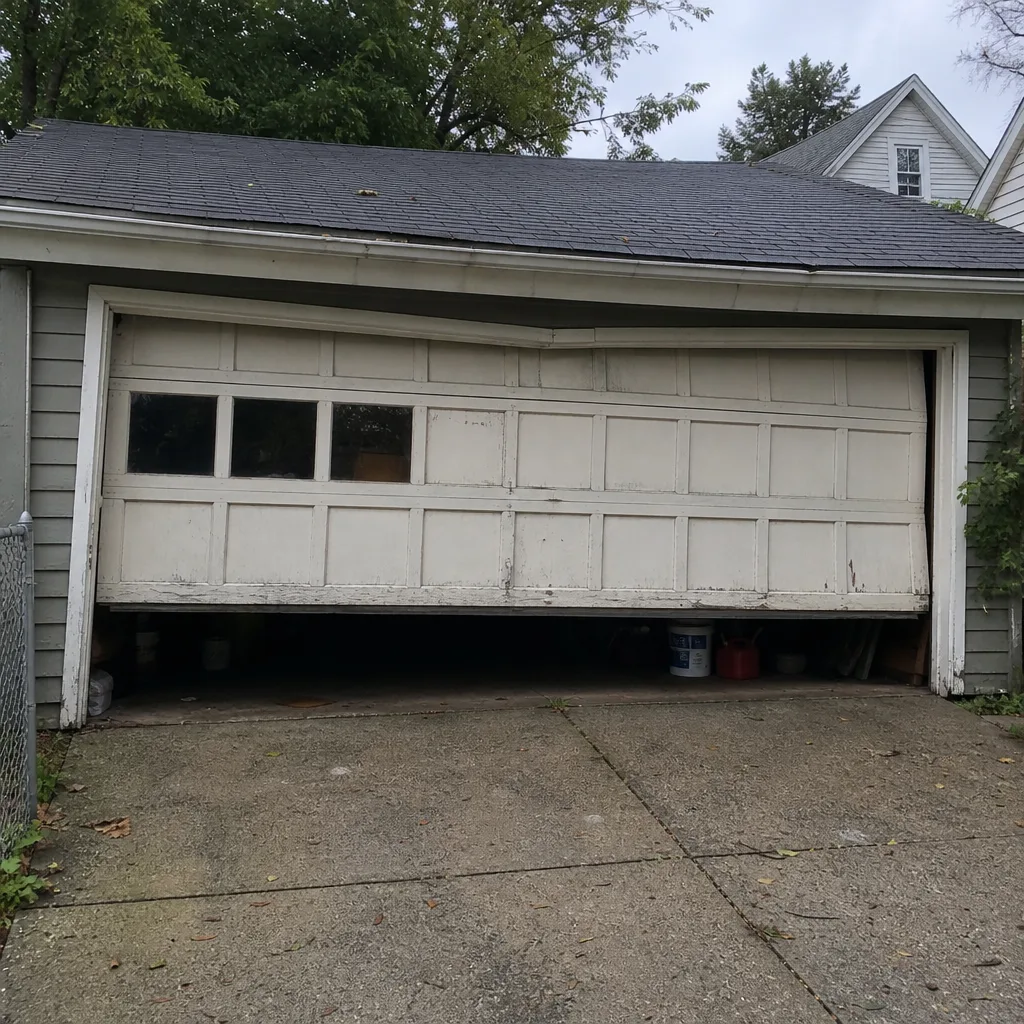 Before
 After
 Before
 After
 Before
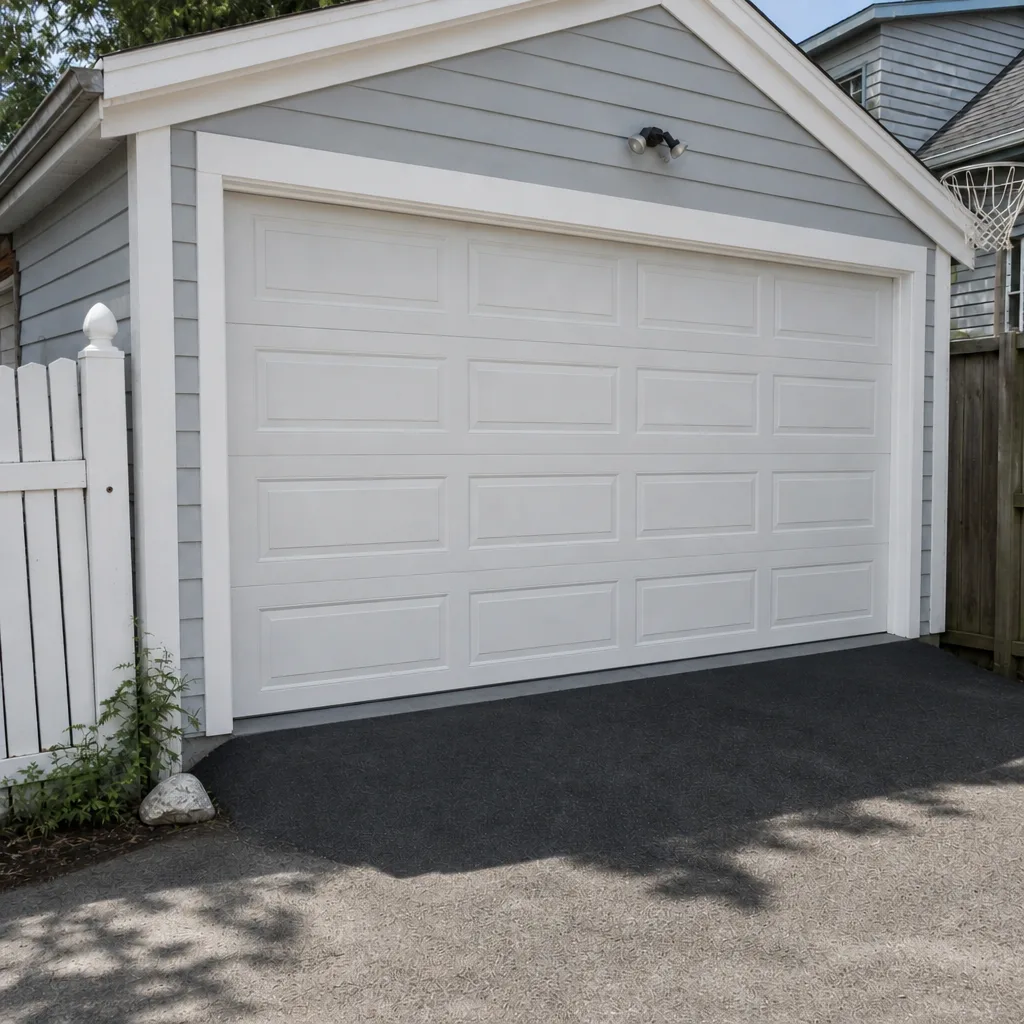 After