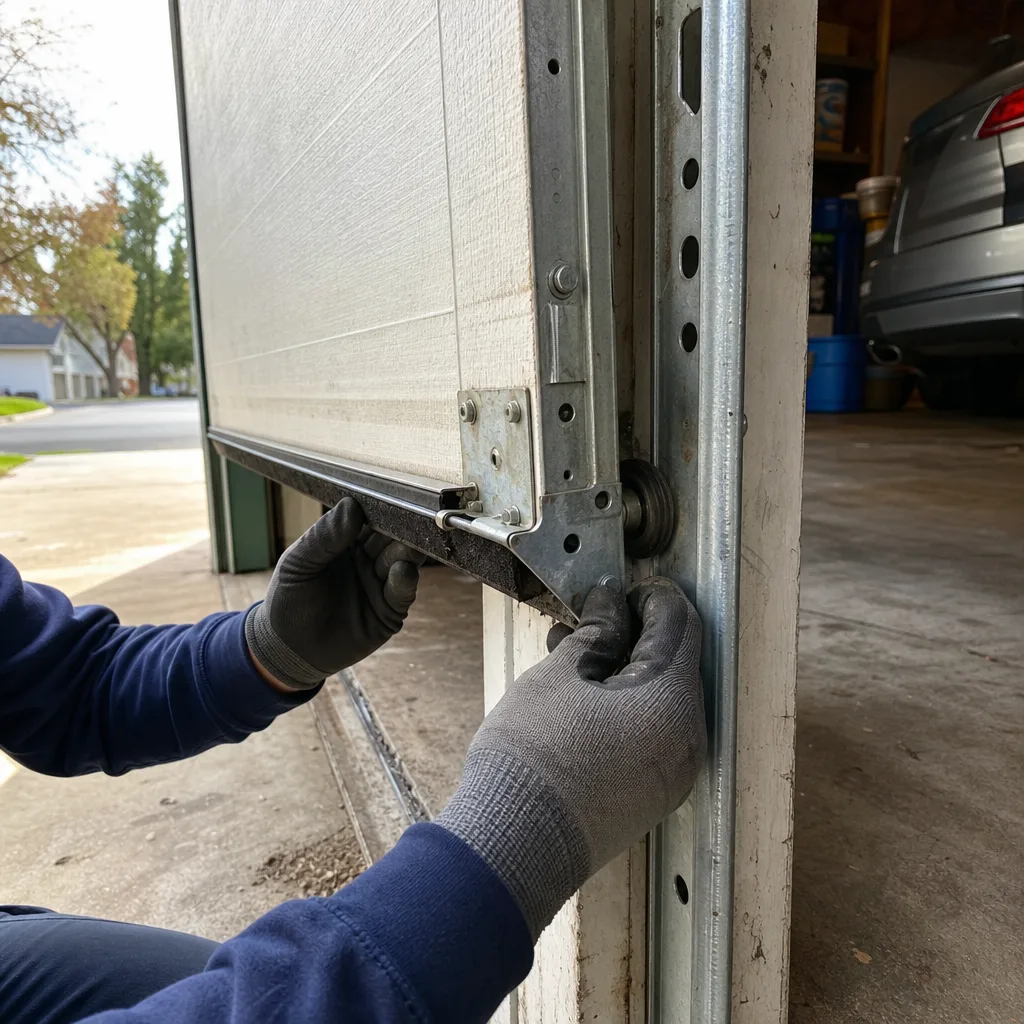
Last updated November 22, 2026
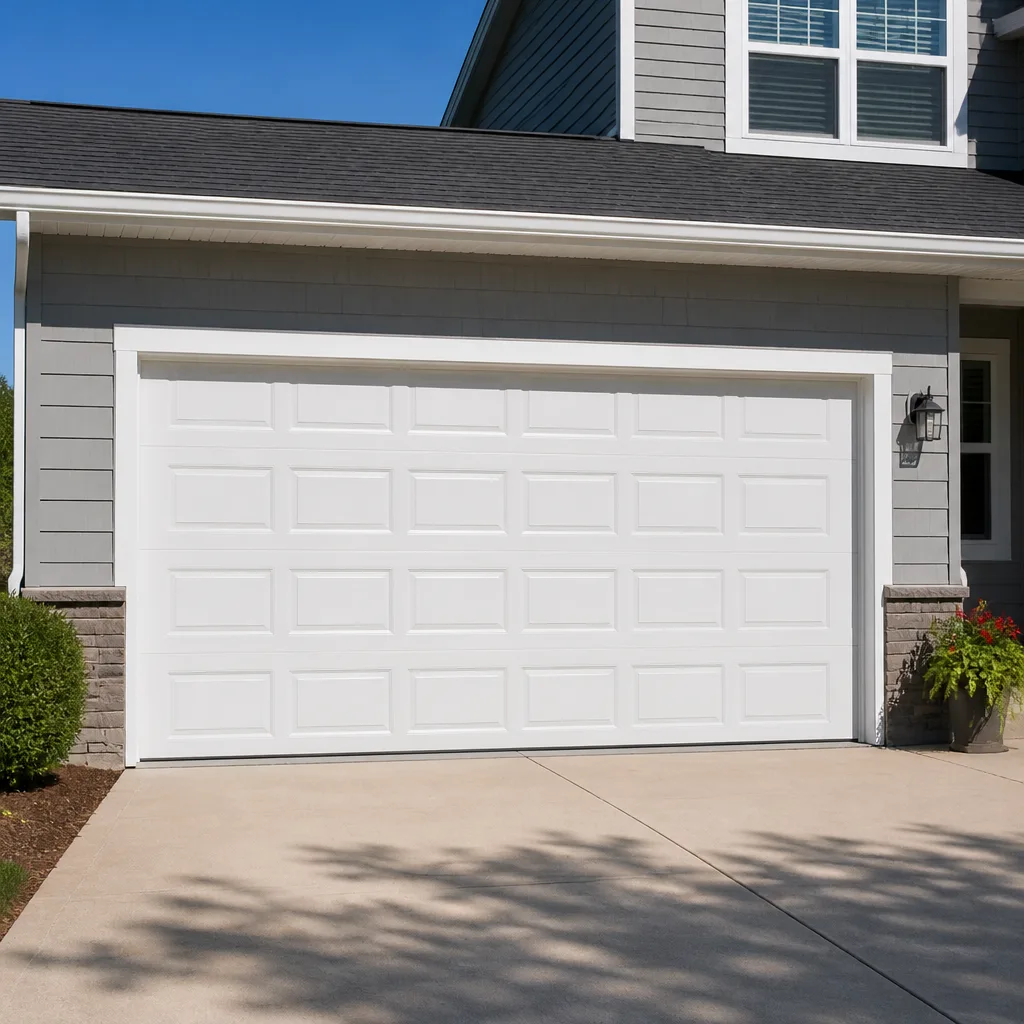 Raised-panel steel
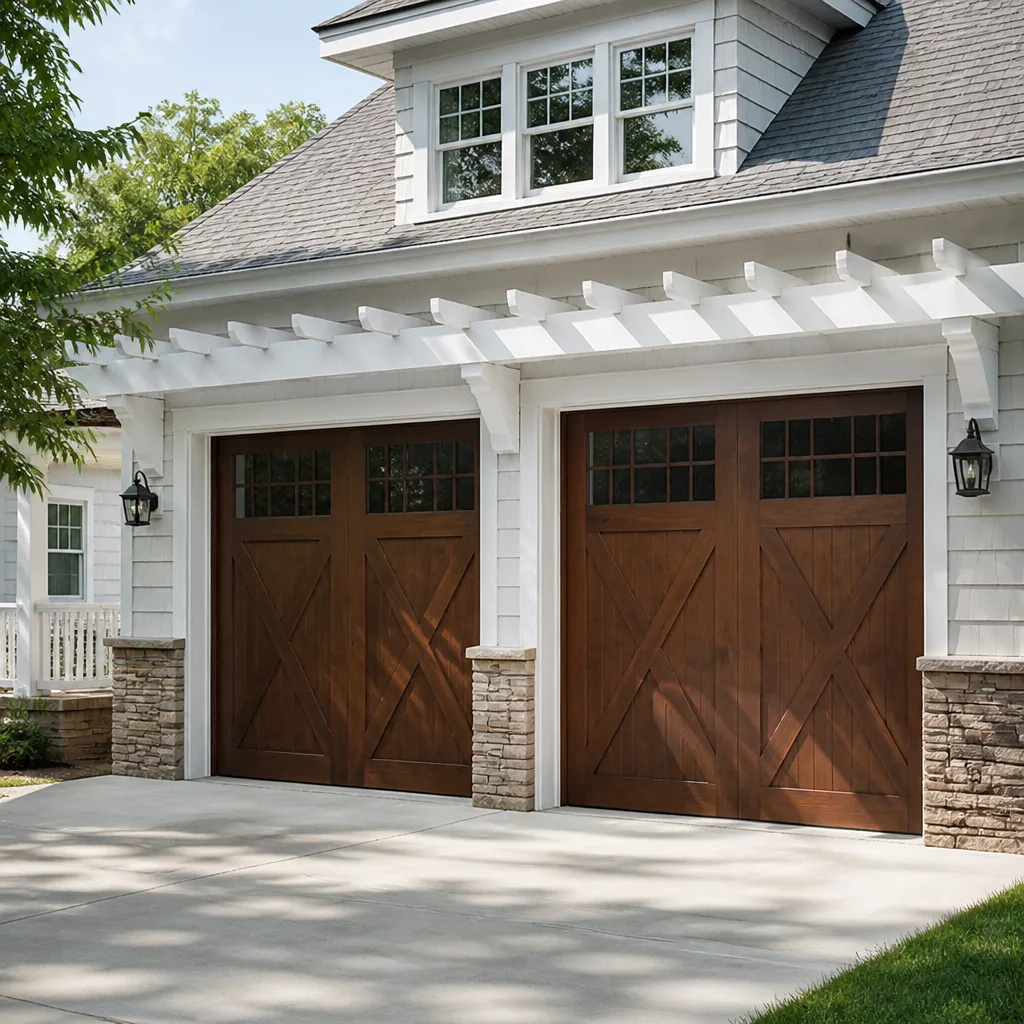 Carriage house
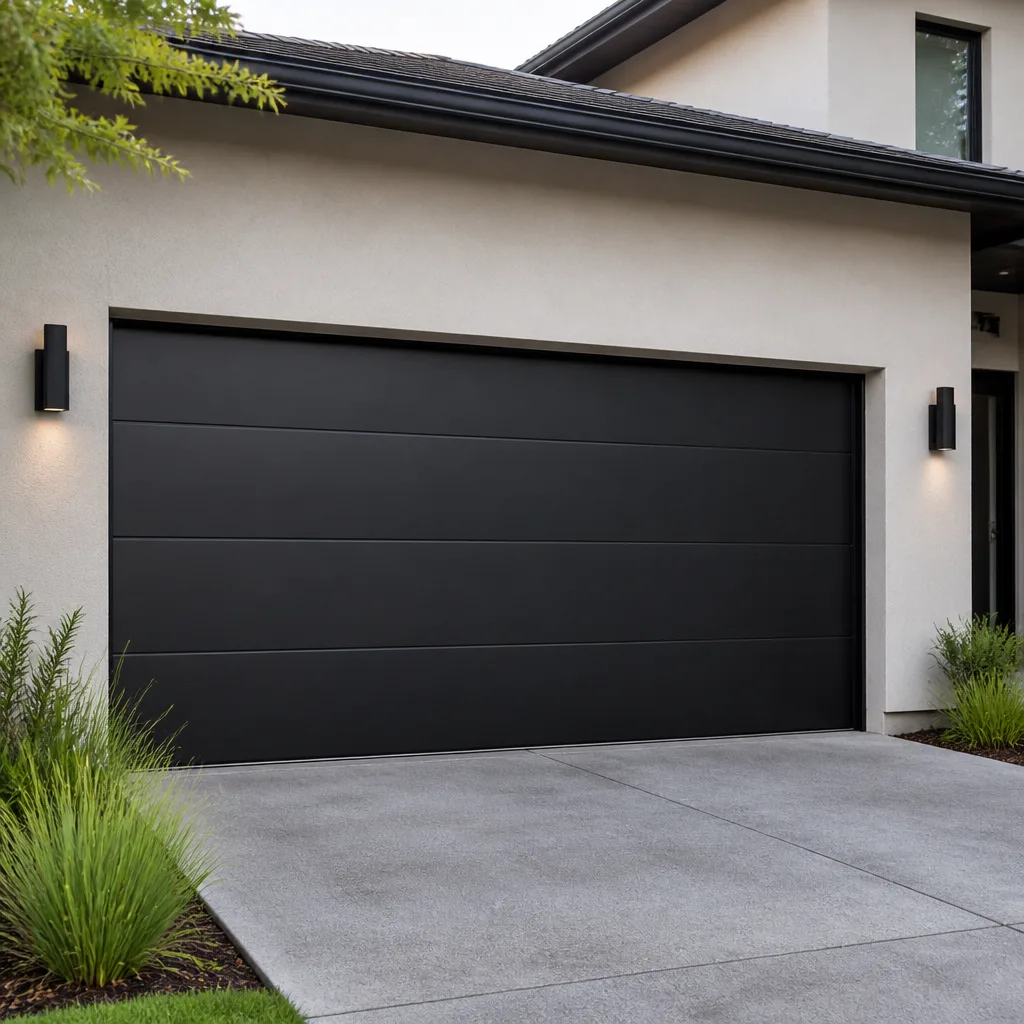 Modern flush
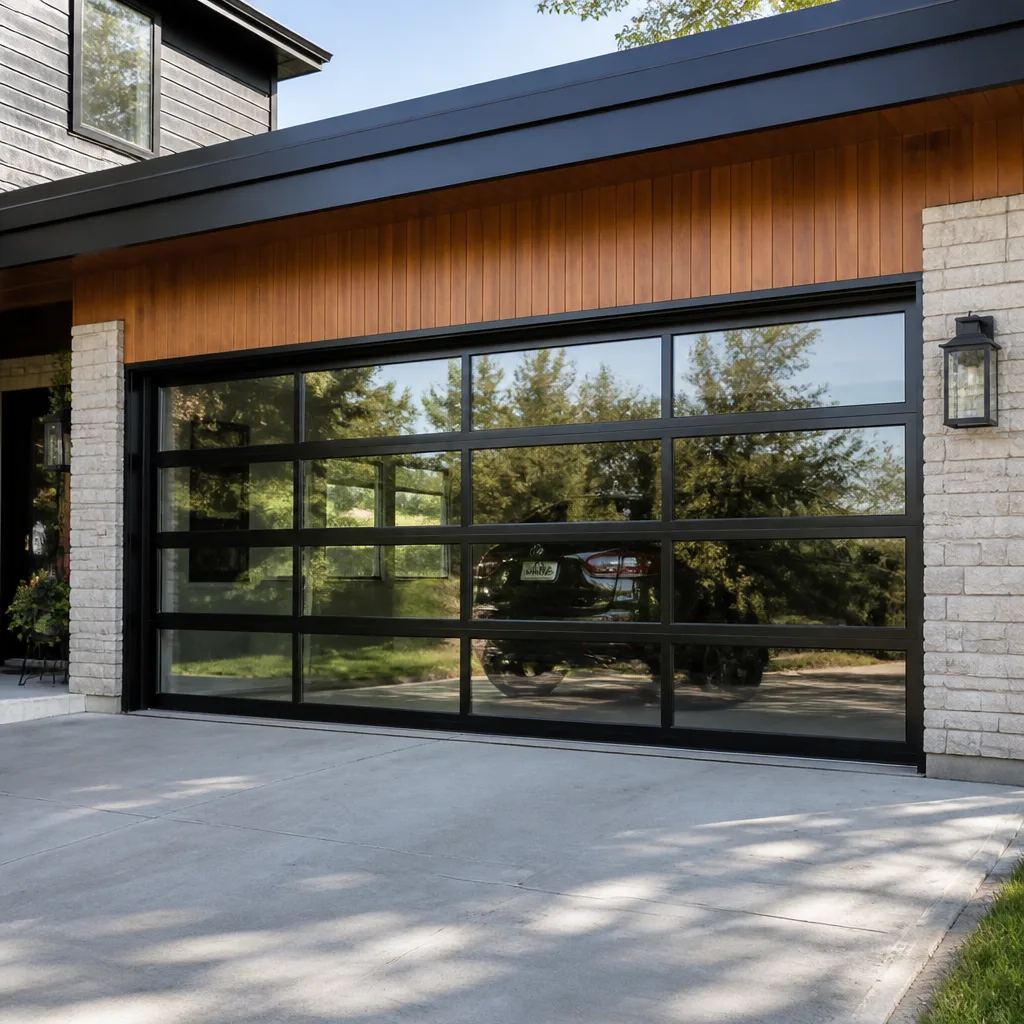 Full-view glass
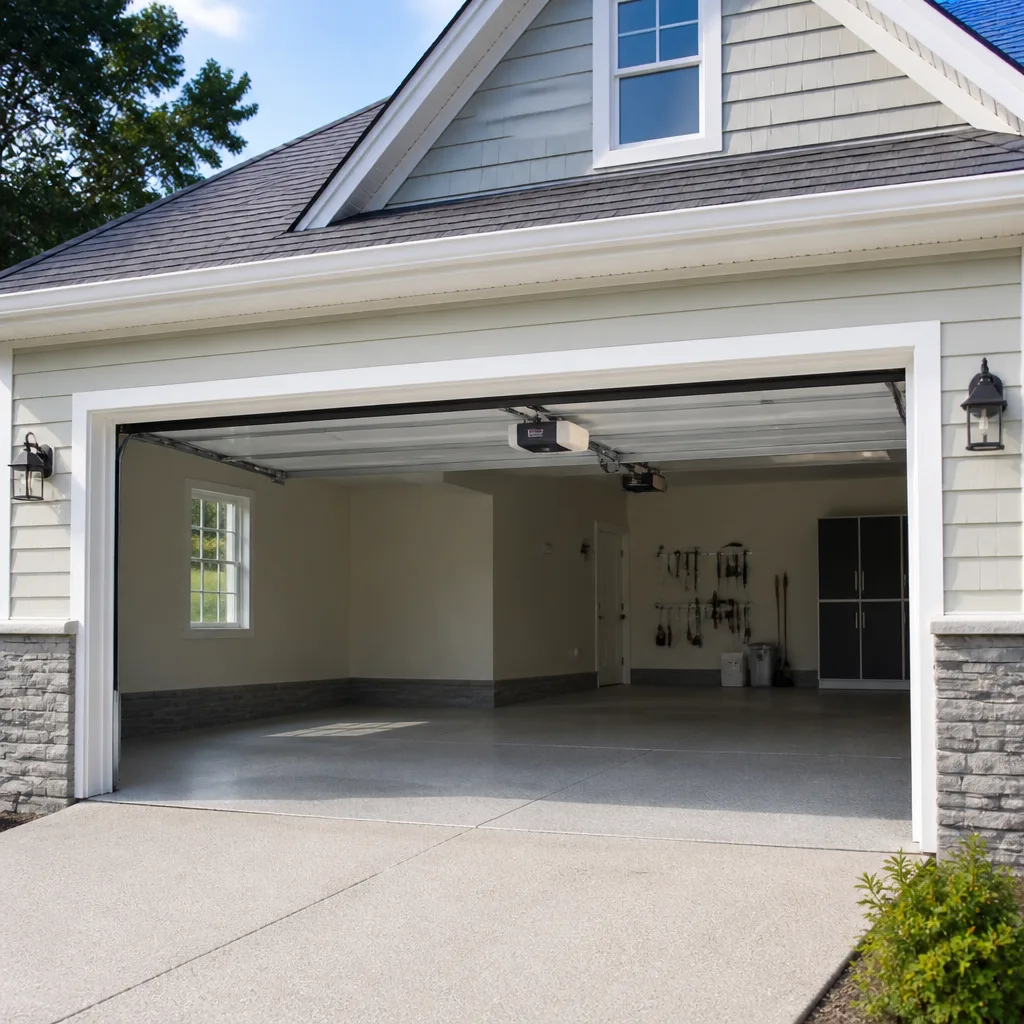 LiftMaster openers
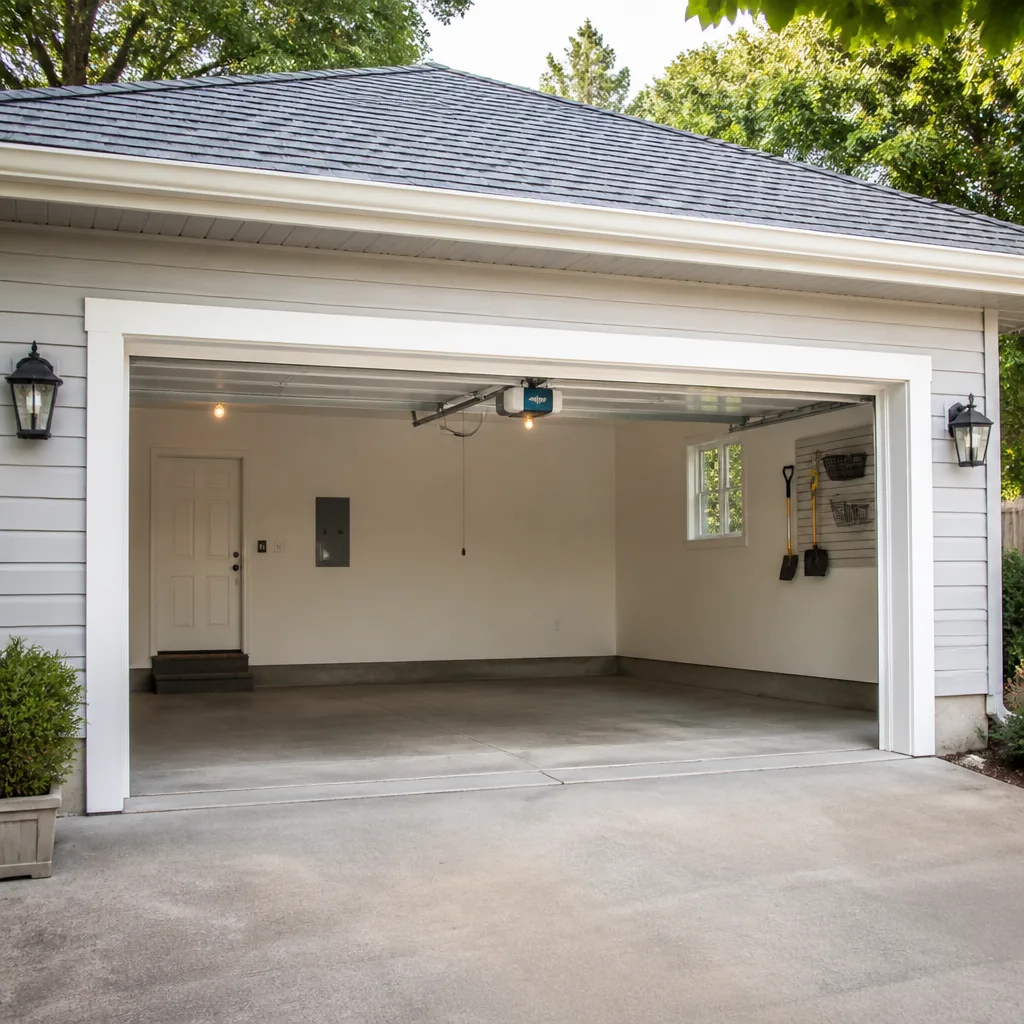 Chamberlain openers
Full 25-point door and opener safety check with every visit - springs, cables, rollers, tracks, and your LiftMaster or Chamberlain opener included
You get a price before we start. It does not change when the pro arrives.
Get your free estimateChoosing the Right Garage Door Brand: A Buyer’s Guide for Lowell
Most homeowners shop for a garage door the way they’d shop for a refrigerator: match the logo to the price and move on. That approach works fine until the first service call. A premium brand with no regional distributor in the Merrimack Valley can mean a long parts wait when a torsion spring snaps or a bottom section takes a hit, no matter how glossy the brochure looked. What actually matters for a door in Lowell is parts availability in the local market, how the panel and seal handle freeze-thaw cycles, and whether the opener plays nicely with the smart home you already run. This guide walks through brand-by-brand realities so you can match a door to your building, not to a showroom display.
Quick Answer
The right garage door brand for a Lowell home is the one with real parts availability in the Merrimack Valley, weather seals designed for hard freeze-thaw cycles, and an opener ecosystem that works with the platform you actually use. LiftMaster and Chamberlain (both myQ) integrate cleanly with Google and Apple Home, Clopay and Amarr make strong insulated steel panels with broad distributor reach, and Wayne Dalton and Raynor offer solid options for detached or workshop garages. Brand reputation matters far less than whether a local technician can get the right part when something fails.
Styles & brands we work with
- Raised-panel steel
- Carriage house
- Modern flush
- Full-view glass
- LiftMaster openers
- Chamberlain openers
Table of Contents
- Why Parts Availability Beats Brand Name in Lowell
- Brand-by-Brand Reality Check: The Eight Major Names
- Climate Performance: Gas, Insulation, and Seals for Freeze-Thaw
- Smart Opener Ecosystems: myQ, Google, Apple Home, and Proprietary Apps
- Warranty Terms Decoded: What “Lifetime” Actually Means
- Matching Brand to Use Case: Triple-Decker Entry vs. Detached Workshop
- A Practical 7-Step Brand Selection Process
- Repair or Replace? How Brand Choice Factors In
Why Parts Availability Beats Brand Name in Lowell
Parts availability is the single most underrated factor in garage door brand selection, and it’s the one manufacturers rarely advertise. When a torsion spring fails, when a bottom panel gets bent, when a roller bracket cracks after a few winters, the question that matters isn’t which brand has the best television commercial. It’s whether the technician standing in your driveway can pull the correct part from the regional supply chain or has to order it from a warehouse three states away.
In and around Lowell, parts availability splits into three rough tiers:
- Same-day or next-day availability: Brands with deep distributor networks across Massachusetts and southern New Hampshire. LiftMaster, Chamberlain, Genie, Clopay, and Amarr generally sit here. Common parts like springs, hinges, rollers, photo-eye sensors, and logic boards are frequently stocked.
- Order-only in this market: Brands with fewer regional distributors. Wayne Dalton and Raynor parts often take several business days to source, depending on the specific model and component.
- Model-dependent: Craftsman openers (made by Chamberlain under the Craftsman label) share many parts with the Chamberlain line, so availability is usually good, but the branding creates confusion at the parts counter.
What this means for a Lowell homeowner is practical. A door on a primary entry attached garage off a busy street in the Highlands, where security matters and the door cycles ten times a day, is better served by a brand with a fast parts pipeline. A door on a detached workshop at the back of a larger lot can absorb a several-day wait without much disruption. The point isn’t that order-only brands are bad. It’s that availability should be a stated part of your decision, not a discovery made during a crisis.
We work with all eight of the major brands – LiftMaster, Chamberlain, Genie, Clopay, Amarr, Wayne Dalton, Craftsman, and Raynor – which means we’ve seen firsthand how parts availability plays out in the Merrimack Valley market. When you need garage door repair, that local familiarity matters more than the logo on the panel.
Brand-by-Brand Reality Check: The Eight Major Names
Here’s how the eight brands we service actually behave in a Lowell deployment, organized by what they’re known for and where they land on the parts-availability question.
LiftMaster
The professional-grade arm of the Chamberlain group. LiftMaster openers are what you’ll find on many newer builds and smart-home retrofits around Lowell because of the myQ platform. Belt-drive and chain-drive openers, battery backup, and integrated camera options all integrate with common smart home systems. Parts availability is strong in the Merrimack Valley market.
Chamberlain
The retail counterpart to LiftMaster, sharing much of the same technology and the myQ ecosystem. Chamberlain openers are common in single-family homes and multi-family units alike. Parts are widely available, and the myQ compatibility means Google Assistant and Apple Home integrations work out of the box for most current models.
Genie
A long-standing competitor to Chamberlain with strong legacy presence. Genie openers, particularly the older chain-drive models, are everywhere in Lowell’s older housing stock, including triple-deckers built decades before anyone thought about smart openers. Parts are generally available, and the brand also makes current smart models under its own Aladdin Connect ecosystem, which is a separate platform from myQ.
Clopay
One of the two dominant residential door manufacturers (the other being Amarr), Clopay is strong on insulated steel panel doors. The brand’s premium lines use polyurethane insulation for higher R-values, which matters in Lowell’s climate. Distribution is broad enough that replacement sections and hardware are usually same-day or next-day available.
Amarr
The other major door manufacturer, Amarr competes on similar ground as Clopay with a strong steel door lineup. Amarr has done well in the insulated carriage-house style segment and offers good regional part availability. For Lowell homes where the aesthetic of the door matters (and on a triple-decker facing the street, it does), Amarr’s style range is worth comparing side by side with Clopay.
Wayne Dalton
Known for the Thermowayne series and a variety of panel styles. Wayne Dalton parts tend to be order-only in this market rather than same-day, so plan ahead for replacement sections or model-specific hardware. For a detached or workshop garage where a few days of downtime isn’t critical, Wayne Dalton is a reasonable choice.
Craftsman
The Sears house brand, now sold through other retail channels. Craftsman openers share a lot of DNA with the Chamberlain line, which helps with parts. The label appears on many older openers in older Lowell homes, so a technician familiar with the Craftsman lineage is a real asset when service comes up.
Raynor
A door manufacturer with a strong commercial heritage and a solid residential line. Raynor’s parts are less uniformly stocked in the Merrimack Valley – order-only for many components – so again, plan ahead. The build quality is real; it’s the local supply chain that dictates the timeline when something breaks.
Climate Performance: Gas, Insulation, and Seals for Freeze-Thaw
Lowell sits in a climate with hard seasonal swings: cold winters with repeated freeze-thaw cycles and warm, humid summers. That pattern quietly punishes cheap garage doors. Here’s what to look at on the spec sheet.
Steel gauge
Panel steel is measured in gauge, and lower numbers mean thicker steel. A sheet that feels flimsy in a showroom isn’t the same as one that resists denting over years of hard cycles. For a primary entry door in Lowell, spend up on steel gauge. For a workshop door that mostly stays closed, standard gauge is usually fine.
Insulation and R-value
Insulated doors are classified by R-value, which measures resistance to heat flow. A door rated to a higher R-value helps on both ends of the season: it slows heat loss from a heated garage in January and slows heat gain in July. Polyurethane insulation typically outperforms polystyrene at the same thickness. If your garage is attached and you ever notice cold floors above it, or if you use the garage as a workshop through the winter, insulated panels are a real upgrade, not a luxury.
Weatherseal design
Freeze-thaw cycles work the weatherstrip hard: seals stiffen, shrink, and crack, and gaps then let in cold air, water, and small pests. Look for doors with replaceable, pliable bottom seals and good perimeter weatherstripping. Cheap foam seals fail faster around Lowell than the door itself.
Hardware and springs
Temperature swings fatigue torsion springs and stress hinges and rollers. This is why dedicated garage door spring repair is such a common call in this area. When springs are rated for the right cycle count, fewer premature failures happen regardless of the door brand.
Smart Opener Ecosystems: myQ, Google, Apple Home, and Proprietary Apps
Smart home integration is where the brand decision gets more personal. The question isn’t just “which opener brand is best” – it’s “which opener brand plays nicely with what I already have.” There are broadly two camps:
The myQ camp
LiftMaster and Chamberlain both use myQ. The platform works with Google Assistant and Alexa, and (through supported hub setups) with Apple Home. If you already run a Google or Apple smart home, myQ is the most frictionless integration available, and both brands have current models with battery backup and camera integration. The myQ app itself is the primary control surface, and it works well.
The proprietary ecosystem camp
Genie’s smart line uses Aladdin Connect, which is its own platform. If you already own Genie hardware or have been happy with the brand’s legacy openers, Aladdin Connect works, but it’s a separate app and a separate integration story from myQ. Craftsman’s current smart offerings run through a Chamberlain-derived platform, but the branding is separate. Raynor, Wayne Dalton, and Amarr are primarily door manufacturers rather than opener manufacturers, so the opener ecosystem question usually lands on whichever opener is paired with the door.
Legacy openers
A significant share of Lowell garages run older Genie and Craftsman openers that predate any smart integration. That’s not a problem, but the repair path for these units is different from the path for a two-year-old myQ unit. For owners of older systems, the practical move is often garage door opener repair on the existing unit rather than paid replacement, especially if the failure is a logic board, sensor, or remote-pairing issue. For newer systems, the opener ecosystem choice should factor into whether you replace the door at all.
Warranty Terms Decoded: What “Lifetime” Actually Means
“Lifetime warranty” is one of the more overloaded phrases in the industry, and it means different things across Clopay, Amarr, Wayne Dalton, Raynor, and the other major brands. Before you commit to a brand partly on warranty strength, decode the term with three questions.
- What’s covered? A “lifetime” warranty on a garage door usually refers to a specific component, often the steel section integrity (delamination, rust-through) rather than the springs, hardware, or opener. Springs and openers usually have shorter, separate coverage windows.
- Is it prorated? Some lifetime warranties are full coverage for a fixed period, then prorated – meaning the manufacturer’s share decreases over time. Ask what the proration schedule looks like.
- Is labor included? Almost never. A “lifetime” panel warranty covers the panel, not the labor to replace it. Understand what you’ll still pay out of pocket if a claim is honored.
The fine print varies meaningfully between brands, and the door manufacturer will explain the terms directly. The key takeaway is that a warranty is not a substitute for parts availability. A lifetime warranty on a panel that takes two weeks to source has a real cost, even when the replacement itself is free.
Matching Brand to Use Case: Triple-Decker Entry vs. Detached Workshop
Lowell’s housing stock makes this section unusually relevant. Two very different buildings shoulder the same brand decision, and they should get different answers.
The attached entry garage on a triple-decker
On many Lowell triple-deckers, the garage is a primary entry point – not a place to store boxes, but the door you walk through every day and the security boundary for the building. Brand criteria here weigh toward:
- Same-day or next-day parts availability, because downtime is a security problem.
- Insulated panels with strong weatherseal, because the garage sits against living space.
- An opener compatibility story that works with whatever smart platform the household uses.
- Reliable spring hardware rated for a high cycle count.
Clopay and Amarr doors paired with LiftMaster or Chamberlain openers fit this use case well. Parts are available locally, the insulation is manageable, and the smart integration path is clean.
The detached workshop garage
A detached garage with a workshop inside has different priorities. Downtime is inconvenient, not a security crisis, so an order-only parts pipeline (Wayne Dalton, Raynor) is a smaller penalty. Durability under low daily cycles matters more than R-value, and a workshop often benefits from a door with a solid steel skin that resists impact from tool and material handling. Brand choice here can tolerate more variety.
A Practical 7-Step Brand Selection Process
Use this process to work from a shortlist to a decision without overpaying for a logo or underestimating maintenance.
- Identify which brands your local technician services. A multi-brand specialist (like our team at Lowell Garage Door Repair Pros, which services all eight major brands) can compare options honestly rather than steer to one manufacturer.
- Check regional parts availability for the specific brand and model. Ask directly: how long does a replacement panel take in the Merrimack Valley market for this model?
- Confirm the steel gauge and insulation type. For an attached Lowell garage, favor thicker steel and polyurethane insulation. For a workshop, standard gauge is usually fine.
- Decide the opener ecosystem first if you use a smart home. If you run Google or Apple Home, myQ (LiftMaster, Chamberlain) is the smoothest path. If you’re not using a smart home, this weighs less.
- Read the warranty for what’s covered, proration, and labor. A “lifetime” clause on the panel tells you almost nothing about future spring or opener costs.
- Get a written estimate. A door brand decision should include the installed cost, not just the door cost. Ask for the quote in writing with brand, model, and size.
- Confirm the service relationship. Ask whether the same provider handles repair and installation so you’re not handed off across companies when something fails.
Repair or Replace? How Brand Choice Factors In
Brand selection matters most during a full replacement, but it also shapes repair decisions. When a door fails, the first question is whether the fix is a repair or a replacement, and the door’s brand affects both the feasibility and the timeline.
An opener failure on a modern LiftMaster or Chamberlain unit is usually a repair situation: the opener itself is fine, one component needs replacement, and the part is available locally. A spring failure is almost always a repair, regardless of door brand, because springs are common parts across manufacturers. A panel failure on a Wayne Dalton or Raynor door with an order-only pipeline is more likely to trigger a replacement conversation, simply because matching the existing panel style may be slower and harder than choosing a new door from a brand with local parts.
For homeowners facing an immediate failure, our dedicated emergency garage door service is available for time-sensitive situations, and our technical team can advise on repair versus replacement in the same visit. Call us at (833) 509-5209 and we can talk through what’s likely before we arrive, so you have a rough sense of both cost and timeline.
If a repair is the right call, our service covers Lowell Garage Door Repair Pros work across every brand we handle, from spring and track work to opener logic boards.
Common Mistakes to Avoid
- Choosing on brand name alone. A premium brand with an order-only pipeline can cost you in downtime and premium part pricing. Check regional availability before you commit to a logo.
- Assuming “lifetime warranty” covers springs and labor. It almost never covers labor and often excludes the components that fail most frequently. Read the coverage list, not the headline.
- Buying an uninsulated door for an attached Lowell garage. Freeze-thaw cycles make an uninsulated panel a heat-loss problem against living space. Spec insulation if the garage sits under the house.
- Mismatching opener and smart home platform. Buying a door and opener without confirming the opener works with Google, Apple Home, or the app you already use leads to a frustrating retrofit.
- Skipping a written estimate. Verbal pricing across brands is hard to compare. Insist on a written estimate that names the brand, model, and installed cost.
- Replacing a whole door when a repair would do. Panel damage and opener failures are often repairable. Get a repair diagnosis before you replace the door.
- Ignoring the block layout of the door on a Lowell triple-decker. The door width blocks available are specific to older garages, and not every brand/size combo fits cleanly. Measure first.
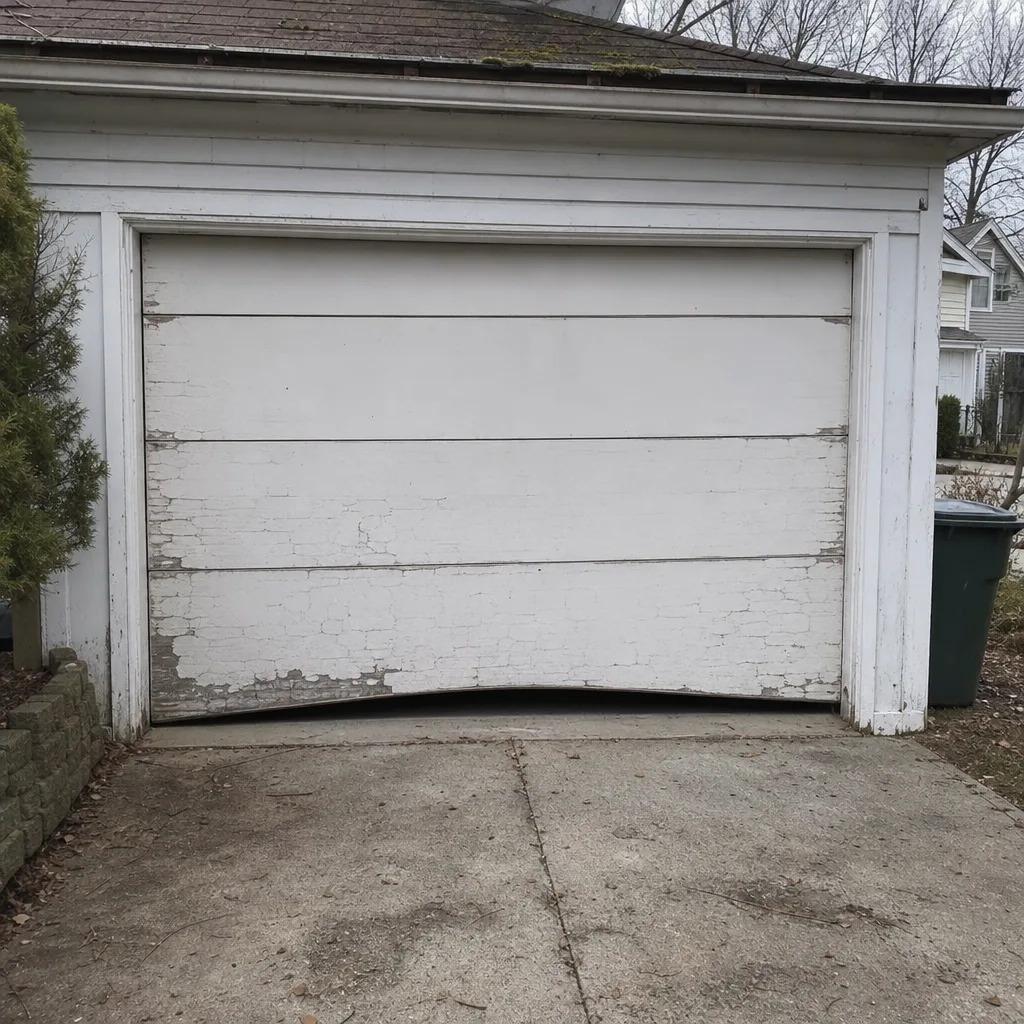
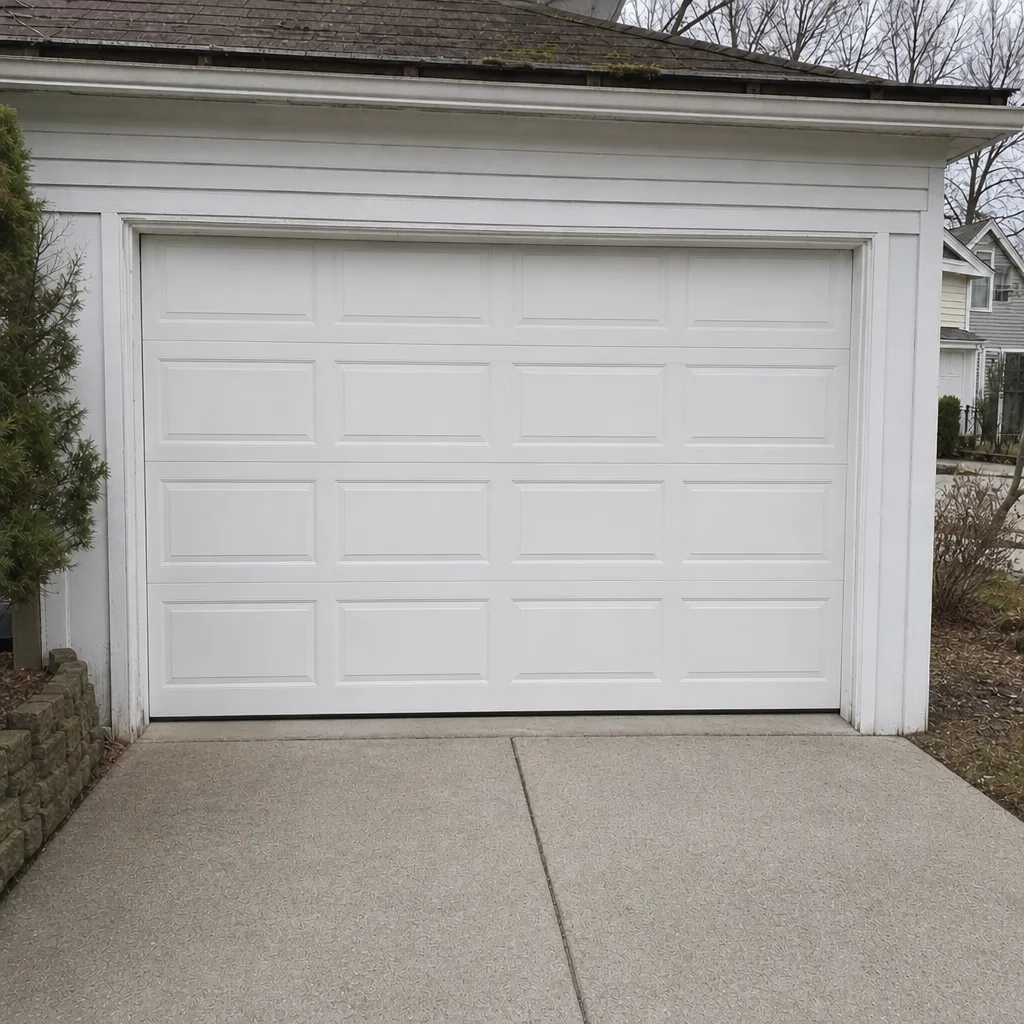
See the difference
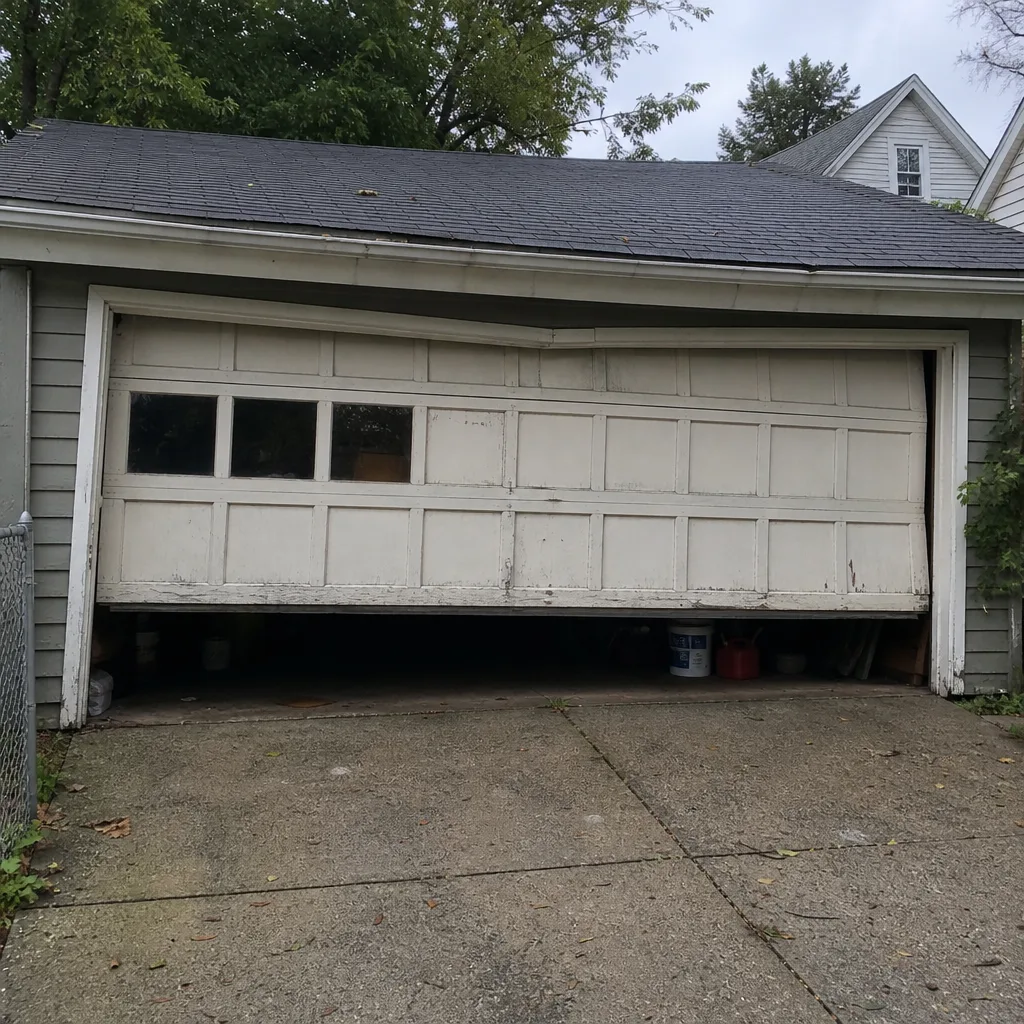 Before
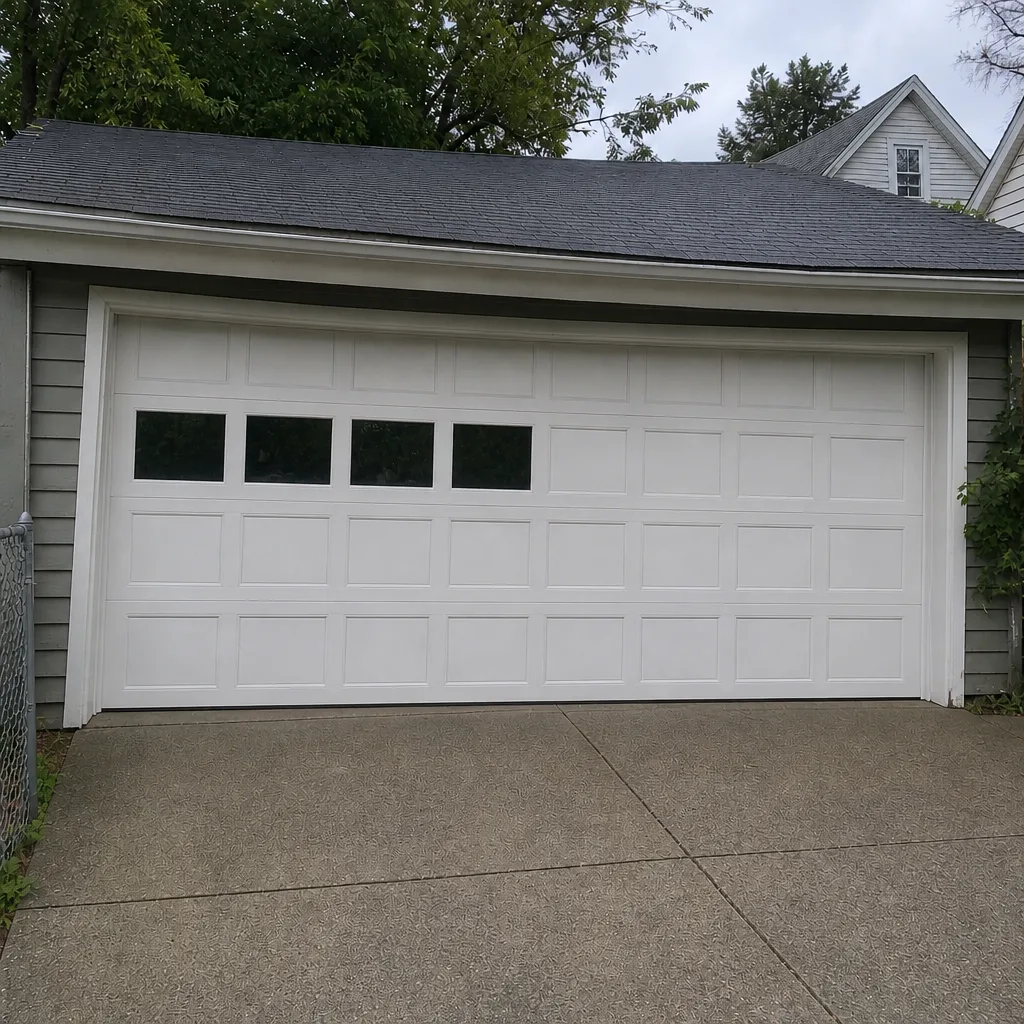 After
 Before
 After
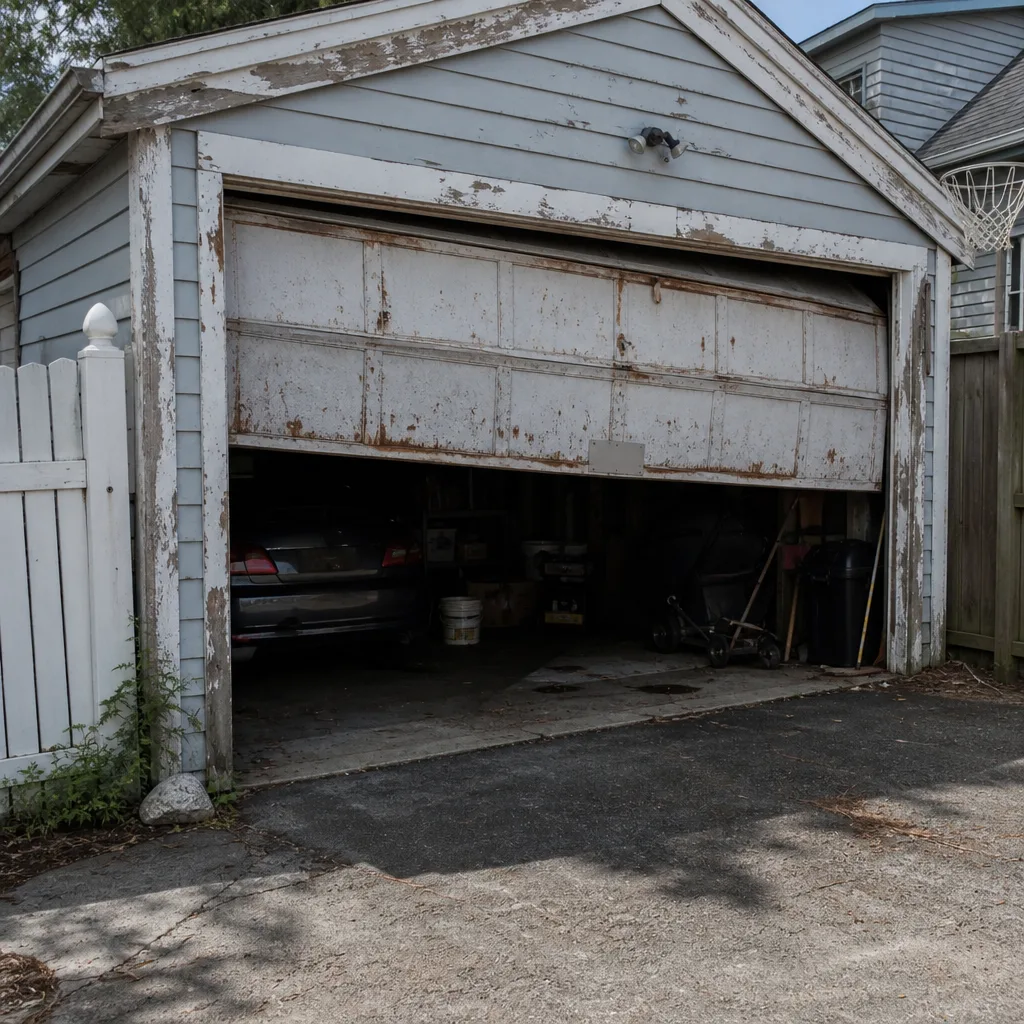 Before
 After
When to Call a Professional
Call a professional when a torsion spring breaks, when the door descends faster than it should, when the opener runs but the door doesn’t move, or when a panel is visibly bent and the door won’t close flush. Spring and cable work is dangerous – high-tension springs can cause serious injury if handled without the right tools and training, so don’t attempt it yourself. Also call a professional if you’re trying to match a specific brand for a replacement and need to confirm parts availability in the local market before ordering. Lowell Garage Door Repair Pros offers free estimates in Lowell – call (833) 509-5209 to schedule an on-site visit and get a written quote. Our technicians have up to 11 years of experience and work with every major brand.
Frequently Asked Questions
Clopay and Amarr are strong choices for Lowell’s climate because their insulated steel panels and weathersealing are well-suited to freeze-thaw cycles, and parts are broadly available in the Merrimack Valley. Pair them with a LiftMaster or Chamberlain opener if smart home integration matters. The practical “best” brand is the one with both good insulation and local parts availability for your specific model.
No, but it’s the reason many Lowell homeowners choose LiftMaster or Chamberlain. The myQ platform integrates with Google Assistant and Apple Home, so if you already run a smart home, these brands are the smoothest fit. If you don’t use a smart home, a standard opener from any of the eight brands works fine.
Usually the steel panel integrity, not the springs, hardware, or opener, and almost never the labor. Some lifetime warranties are prorated, which means the manufacturer’s share decreases over time. Read the specific coverage list and proration schedule before choosing a brand based on warranty strength.
Parts for Wayne Dalton and Raynor tend to be order-only in the Merrimack Valley market and can take several business days, depending on the specific component and model. If your garage is a primary entry point where downtime is a security issue, that timeline should factor into the brand choice. If the garage is a detached workshop where a few days of downtime is tolerable, the wait is usually fine.
Yes, and this is one of the practical advantages of working with a multi-brand provider. We service LiftMaster, Chamberlain, Genie, Clopay, Amarr, Wayne Dalton, Craftsman, and Raynor equipment, so repair and installation don’t require a handoff. You can get service on your current door and compare replacement options from other brands in the same visit.
Craftsman openers share a lot of engineering lineage with the Chamberlain line, which helps with parts availability, though the branding is separate. Chamberlain and LiftMaster are sister brands under the same parent company and share the myQ smart platform. In practice, parts for all three are usually available locally and a technician familiar with one is familiar with the others.
The Bottom Line
The best garage door brand in Lowell comes down to three practical questions: can I get parts for this brand locally, will the panels and seals hold up under freeze-thaw cycles, and does the opener play nicely with my smart home? Brand reputation is a starting point, not the answer. Clopay, Amarr, LiftMaster, and Chamberlain usually win on local parts availability and smart integration. Wayne Dalton and Raynor are solid choices for detached garages where downtime is less critical. Genie and Craftsman serve legacy openers well. Match the brand to your building’s use case, get a written estimate, and don’t sign anything before you understand what the warranty actually covers.
Call Lowell Garage Door Repair Pros today at (833) 509-5209 for a free estimate and a written quote on the brand that best fits your Lowell garage.
Written by the team at Lowell Garage Door Repair Pros.