Last updated November 22, 2026
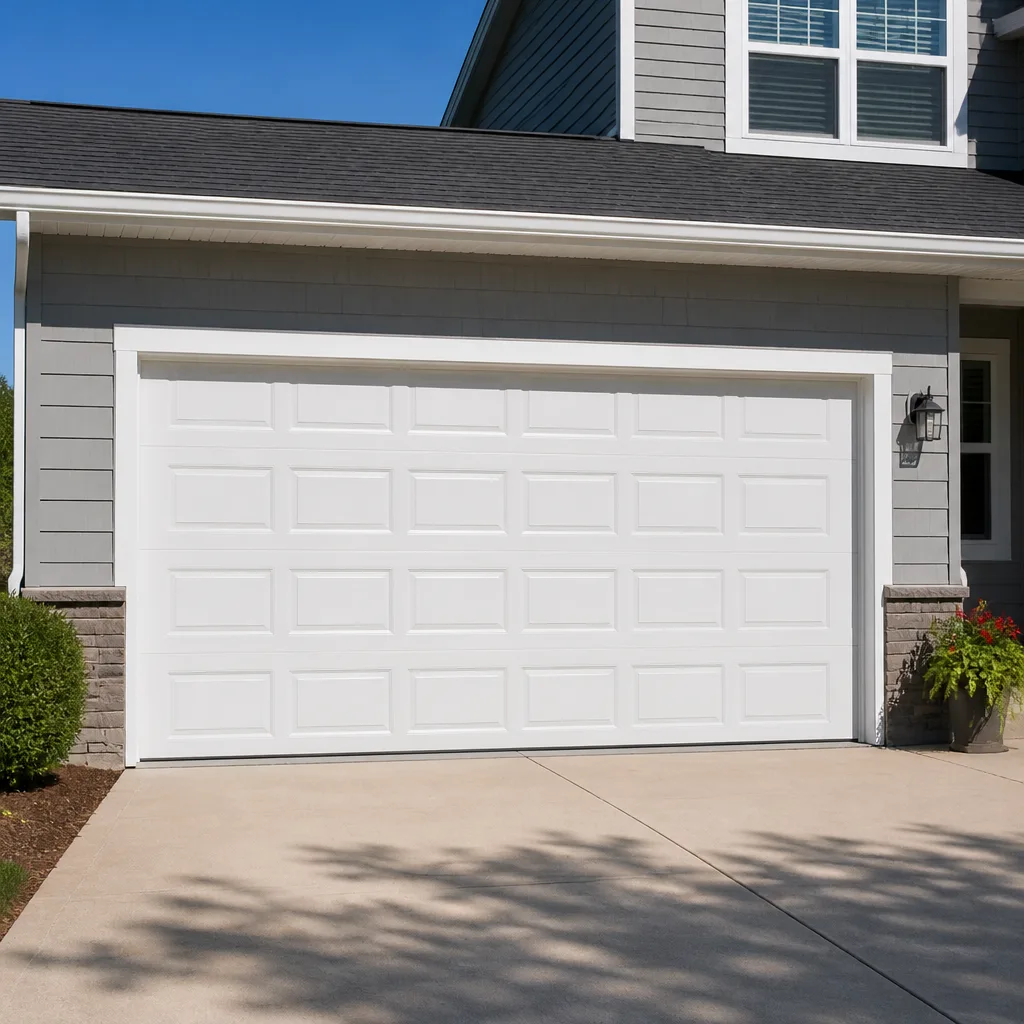 Raised-panel steel
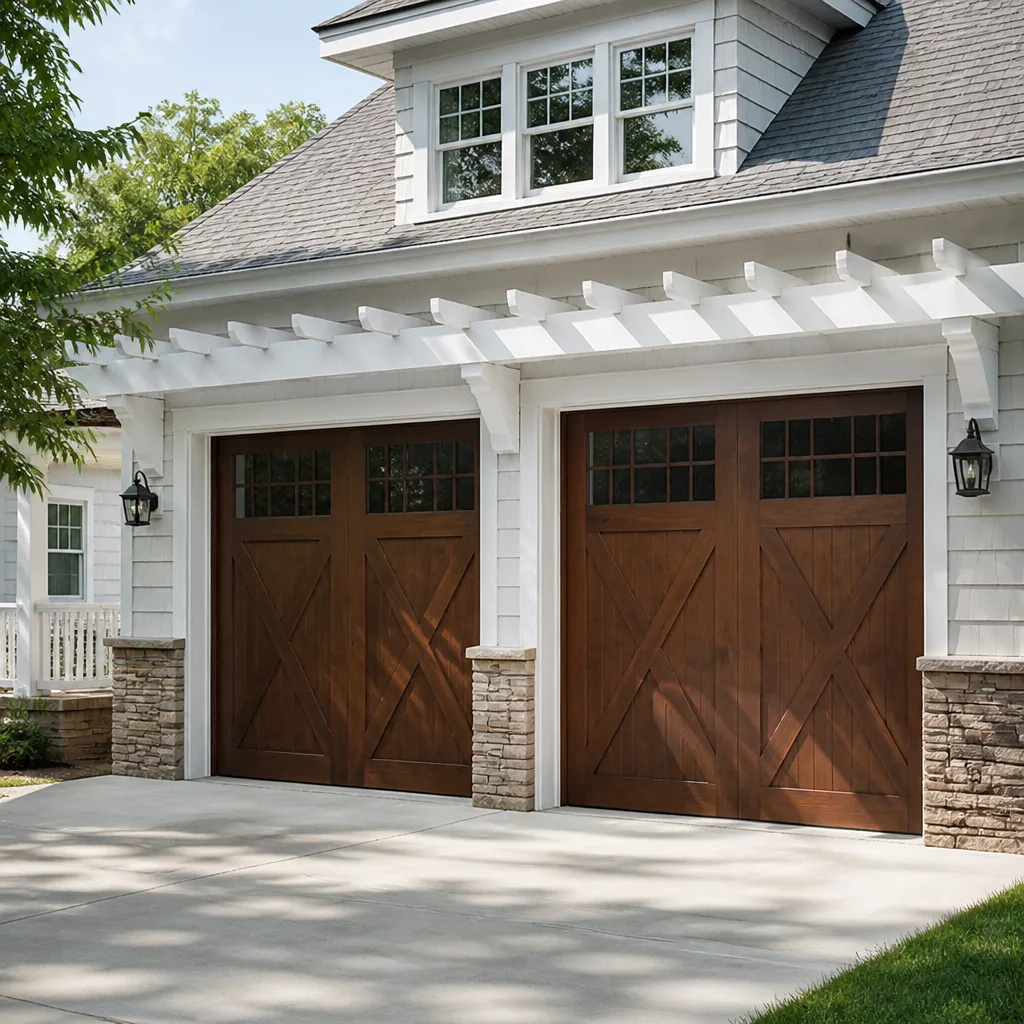 Carriage house
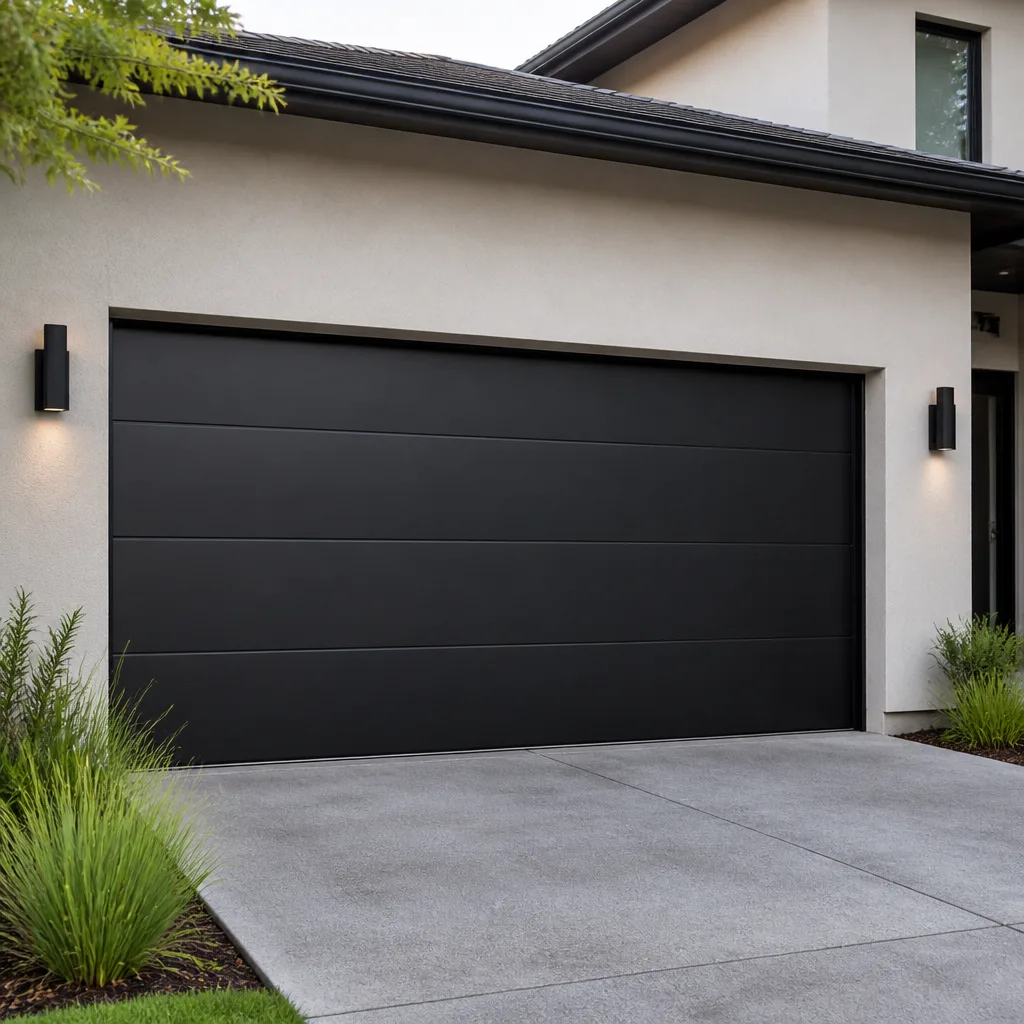 Modern flush
 Full-view glass
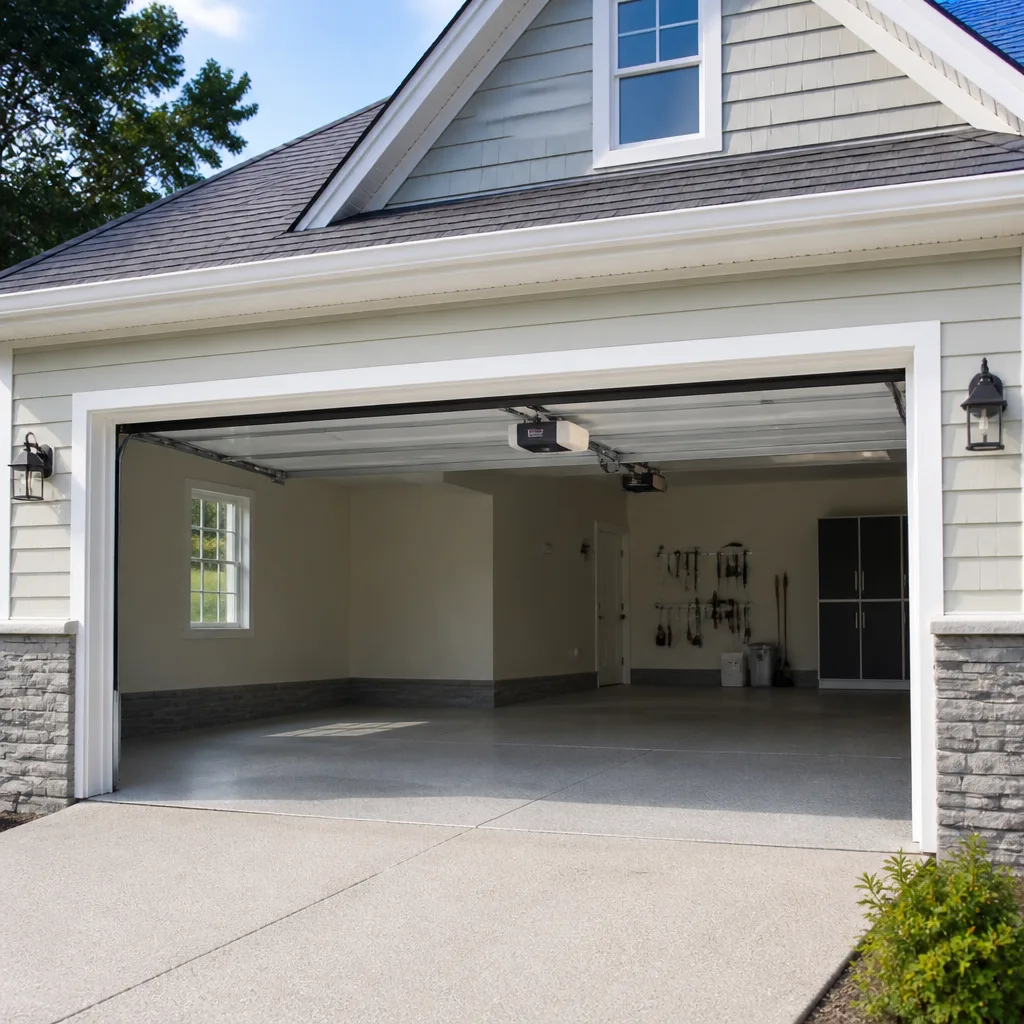 LiftMaster openers
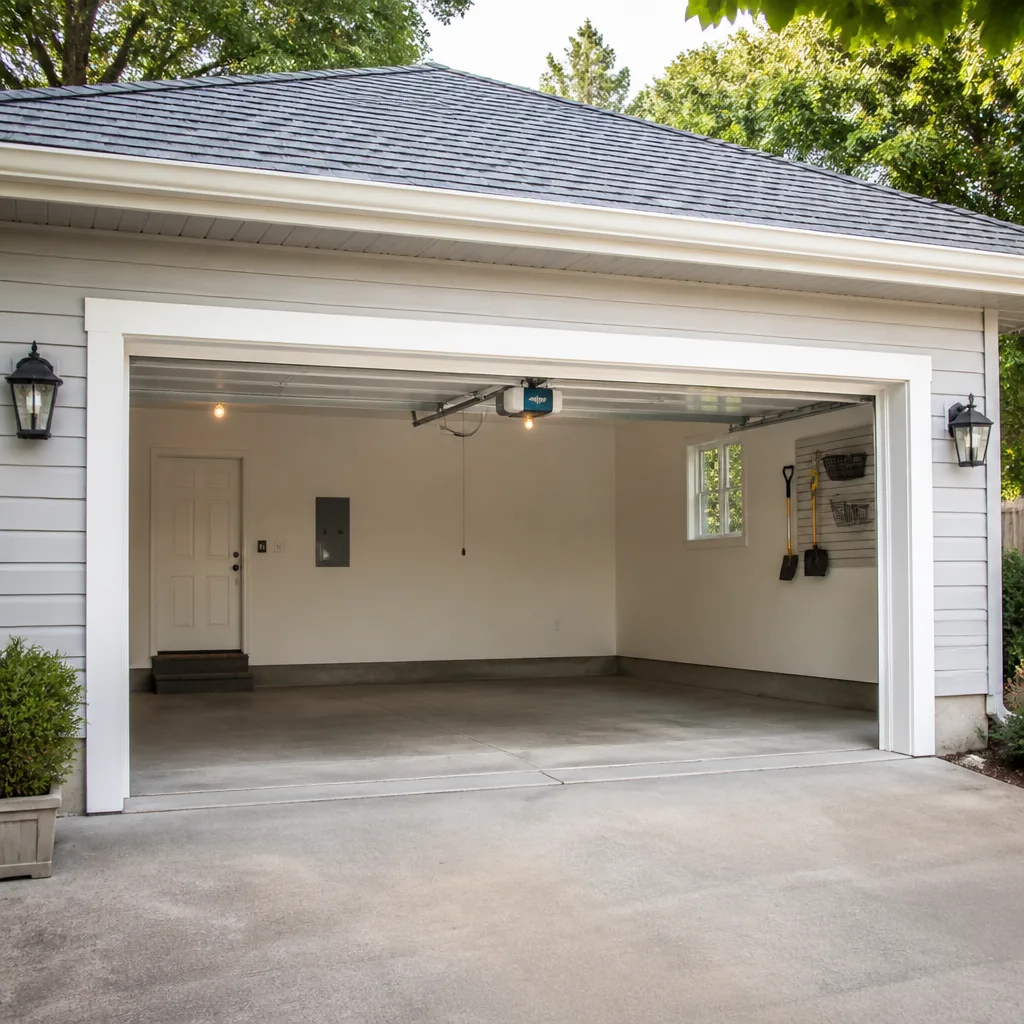 Chamberlain openers
Full 25-point door and opener safety check with every visit - springs, cables, rollers, tracks, and your LiftMaster or Chamberlain opener included
You get a price before we start. It does not change when the pro arrives.
Get your free estimateGarage Door Emergency Preparedness Guide for Lowell Homes
Most garage door failures don’t announce themselves. A torsion spring breaks with a sound like a gunshot one morning, a cable jumps its drum on a cold night, and suddenly the door that has opened without complaint for years won’t budge. The counterintuitive part: the households that get through it fastest aren’t the ones who call a repair line first. They’re the ones who already know where their manual release cord hangs, what brand of opener they own, and which way the door is safe to nudge and which way it isn’t. This guide walks through the preparations that turn a panic into a plan, the winter conditions that hit Lowell garages hardest, and what to have ready before you dial anyone. Read it now, before you need it.
Quick Answer
A prepared Lowell household keeps three things in order before an emergency: a working manual release (tested, not just located), a clear number to call for Lowell Garage Door Repair Pros, and a written record of the door’s brand, opener model and spring configuration. If your door fails closed, pull the release with the door in the down position, never when it’s open or mid-travel, and call for emergency service. If it fails open, block the doorway from the inside and don’t try to force a door with a broken spring or slack cable. Preparation is the whole game.
Styles & brands we work with
- Raised-panel steel
- Carriage house
- Modern flush
- Full-view glass
- LiftMaster openers
- Chamberlain openers
Table of Contents
- The Five-Minute Pre-Emergency Audit
- How to Use the Manual Release Safely
- The Stuck-Open Protocol: Securing a Door Without a Working Spring
- Winter Garage Door Emergencies in Lowell
- What to Have Ready Before You Call
- Springs and Cables: The Failures You Never Touch Yourself
- Power Outages and Backup Systems
- Prevention: The Maintenance That Prevents Emergencies
The Five-Minute Pre-Emergency Audit
The best time to find out your manual release doesn’t work is on a mild afternoon with the car in the driveway, not at 6 a.m. in February with the car inside and the door frozen shut. This audit takes about five minutes and you can do it without tools. Run it once now, then repeat it at the change of each season, especially before the first hard freeze in Lowell.
- Test the manual release. With the door fully closed, pull the release cord and confirm the carriage separates from the opener rail. Re-engage it by running the opener. If the carriage won’t disengage or won’t re-engage cleanly, that’s a repair before it becomes an emergency.
- Check the emergency key entry. If your garage has a keyed exterior lock or a manual release kit with an exterior t-handle, confirm the key turns freely and the cable pulls the release. Winter ice makes stiff locks worse.
- Confirm the release cord is reachable. The cord should hang about six feet above the floor, clear of stored boxes, bikes and shelving. If it’s tangled or tied up, untie it now.
- Look at the springs. Two torsion springs above the door or two extension springs on the sides. Note which. If a spring has a visible gap in its coil, it has already broken.
- Check the safety reverse. Place a roll of paper towels under the closing door and confirm it reverses on contact. If it doesn’t, don’t operate the door unattended.
- Confirm your opener’s backup battery (if it has one). Many modern garage door opener repair calls start with a dead backup battery the homeowner never checked. If your opener has one, verify it’s installed and holds a charge.
If any of those checks fail, you have a repair to schedule, not an emergency to survive. That distinction is worth a lot. And if you’re not sure what you’re looking at, a professional can walk the system in a few minutes and tell you exactly what state it’s in.
How to Use the Manual Release Safely
The manual release exists so you can move the door by hand during a power outage – but only under specific conditions. Used wrong, it lets a door with a broken spring or slack cable come crashing down on whatever is beneath it, including an arm or a shoulder. So the rule is safety first: the door must be fully closed before you pull the cord, and you must never stand under an open door while you do it.
The right procedure
- Stand to the side, not under the door.
- With the door fully closed, pull the release cord down and toward the opener (or follow your opener’s specific instruction, which varies slightly by brand).
- Lift the door by hand about a foot, then let go. If it stays put, the balance is intact and you can raise it fully. If it slams back down, a spring is broken: stop and set it back down completely.
- To re-engage, run the opener once to cycle the carriage back into the door arm. The opener must be powered. If it isn’t, the door isn’t locked to the motor and can be lifted by hand from the outside.
One common mistake is pulling the release while the door is up. That’s how an unbalanced door becomes a falling door. Another is forgetting to re-engage the carriage after the power comes back, then wondering why the opener runs but the door doesn’t move. If you own a LiftMaster or Chamberlain system with a battery-backup opener, the door may actually work during an outage, which makes testing that battery in step six above worth the minute it takes.
The Stuck-Open Protocol: Securing a Door Without a Working Spring
A door stuck open is a security problem and a weather problem at once. When the cause is a broken spring or a snapped cable, you can’t simply push it down: the door weighs hundreds of pounds without spring tension assisting it, and the panels will bend under the weight. Never force it. Instead, secure it.
- Immobilize the door from the inside. If you can safely reach the inside of the doorway without standing beneath the open panel, place locking C-clamps on the vertical tracks just above the bottom roller on both sides. This prevents the door from sliding down unexpectedly.
- Block the opening from the inside with a car, a heavy bench or anything that will make an accidental drop obvious. An open garage door on a Lowell street overnight is an invitation.
- Disconnect the opener if you haven’t already. A door left connected to a motor that’s trying to cycle it, even once, can twist panels and rip the top section.
- Do not attempt to lift, lower or “help” a door with a broken cable. A cable under tension can whip and cause serious injury. This is the single most common way a repairable situation becomes a hospital visit.
- Call for emergency service and describe what you see: which spring is broken, which side has the slack cable, and whether the door is up or down.
In Lowell, an open door in January means ice on the garage floor and a heat loss that can affect any room above the garage. That’s part of why we treat stuck-open doors as genuinely urgent. The fix may be a spring replacement, and the sooner it’s done, the less the house suffers.
Winter Garage Door Emergencies in Lowell
Lowell winters hit garage doors in predictable ways. The freeze-thaw cycles that give this region its potholes also give it ice-bound tracks, frozen bottom seals and stiff grease. Snowbanks plowed against the door seal create a hard ice lip along the bottom, and a door forced against it cracks panels or strips gears inside the opener. Knowing the seasonal failures helps you sidestep them.
The most common cold-weather emergencies
- Frozen bottom seal. Moisture collects under the rubber seal, freezes, and glues the door to the floor. Don’t force it. A door pried up against a frozen seal will tear the seal, bend the bottom panel and strain the opener. Run a hair dryer or a space heater, not a torch or hot water, along the base to free it. Never pour hot water on it: it refreezes and makes a worse seal.
- Ice-bound tracks. Snow blown into the vertical tracks and packed around the rollers can freeze into blocks. Clear it with a plastic scraper and a broom, never a metal tool that gouges the track. If the door still won’t run after the ice is cleared, the opener’s force settings may be tripping – call an opener specialist.
- Stiff lubricant. Cold grease on springs and rollers thickens, and the opener struggles. A light application of proper garage door lubricant before the freeze helps. Avoid WD-40 on springs: it attracts grit and dries.
- Frozen manual release. The release cable, if routed through an exterior wall, can freeze. A keyed exterior emergency release that won’t turn is a classic February problem in Lowell. Test it in November.
The right way to clear a frozen door is to warm it slowly and never to force anything. If you’re unsure whether the problem is ice or a mechanical failure, it’s worth having someone look at it sooner rather than later: a small repair in December is cheaper and easier than a spring or opener failure in January.
What to Have Ready Before You Call
The fastest way to get an accurate estimate and a realistic arrival window when you call for emergency service is to have the right information in front of you. A dispatcher working without specifics has to send a generalist; a dispatcher with details can send the right technician with the right parts. Have the following ready if you can.
- The garage door brand. Clopay, Amarr, Chamberlain, Genie and others each have distinctive panel and hardware designs, and knowing the brand narrows the parts window immediately.
- The opener brand and model. Look for a label on the back or underside of the opener head. Note whether it’s a chain drive, belt drive, screw drive or jackshaft.
- Spring configuration. Torsion or extension, how many, and whether one is visibly broken. Tell the person on the phone if you see a gap in a coil.
- The door’s current position (up, down or partially open) and what it did when it failed.
- Your address and any access notes – a locked gate, a narrow driveway, or snow piled in front of the door.
- Whether anyone is blocked in and whether the door is the home’s primary entry.
Once you have that list, the call is short. Expect to be asked whether a technician can get to the door, whether the car is inside and whether there’s a child or pet who needs access. Clear answers speed the whole thing. And because a professional arrives with the right brand-specific parts, most calls go faster than a homeowner expects.
Springs and Cables: The Failures You Never Touch Yourself
Garage door springs and cables store enormous energy, and working on them is genuinely dangerous. This is the one part of the door where our strongest advice is not to help. A torsion spring can be under hundreds of pounds of tension, and a mis-set winding bar, a slipping cable or a drum that lets go can cause serious injury in a fraction of a second. Even experienced general handymen often decline spring work for exactly this reason.
What you can safely do is recognize the failure and describe it. A torsion spring has broken if there’s a visible gap between coil sections; an extension spring has broken if it’s stretched or hanging loose with the safety cable doing its job. A cable has failed if it’s slack, off its drum, or hanging on one side. In all of those cases, stop operating the door.
What you can count on from the service side: garage door spring repair is a precision job, not a guess. The technician matches the wire gauge, inside diameter and length to the door’s actual weight and cycle count, uses proper winding bars, and tests the balance before handing the door back. A matched pair of springs is almost always replaced together because a second spring of the same age is likely near the end of its life too. That’s why it’s worth understanding the pricing structure before you call, and asking questions rather than assuming. Nobody expects you to do the repair. Knowing what a correct repair looks like helps you ask for one.
Power Outages and Backup Systems
A power outage doesn’t have to strand your car – but only if your opener’s backup is functioning. Battery backup is standard on many newer LiftMaster and Chamberlain units and available on several Genie and Craftsman models, so it’s worth knowing what you own. If your opener has a backup battery, the opener will lift the door at a reduced cycle rate during an outage, and the manual release is your fallback only if the battery is dead or absent.
What to check now
- Is your opener a battery-backup model? Check the label. If it takes a backup battery, confirm the battery is installed, not corroded, and holds a charge. Test it by unplugging the opener briefly and running the door once.
- Is the manual release re-engaged? A door left disconnected from the opener after a past outage is unlocked and can be lifted from outside. Run the opener once after any outage to re-engage.
- Do you have a keyed exterior release? If the power fails while the car is inside, a keyed release lets you get in without walking around through the house. Test the key and cable before winter.
- Can the door be opened by hand from a closed position? Only if the spring balance is correct. Test the lift-and-hold from a closed door as part of your quarterly audit.
If the opener’s backup battery tests dead, replace it, and if the opener struggles to lift a door it used to lift easily, have the balance checked: a door that’s gone out of balance consumes backup battery faster and can bog down during an outage.
Prevention: The Maintenance That Prevents Emergencies
Most garage door emergencies are the end of a slow decline nobody noticed. A spring that’s been slightly out of balance for a year, a roller that’s worn flat, a track that’s been hit and bent – each one raises the strain on the rest of the system until something gives. The maintenance that prevents that is simple.
- Lubricate every few months. Springs, hinges, rollers and the opener rail. A small amount of the right lubricant, applied to the right spots, quiets the door, reduces strain and keeps cold-weather operation smooth.
- Test the safety reverse monthly. The paper towel test takes ten seconds and catches a dangerous failure before it becomes one.
- Listen for changes. A door that’s gotten louder, slower, or rougher is telling you something. Odd noises are the cheapest warning you’ll ever get.
- Watch the springs. Torsion springs typically last years but fail without warning when they do. A trained technician can often see the wear coming during a routine visit.
- Clear snow and ice every storm. Keep the bottom seal and the tracks clear. In Lowell, that’s the single highest-value five minutes you can spend on the door each winter.
The same preventive mindset applies to openers. A Genie or Chamberlain unit that’s ten years old isn’t automatically due for replacement, but a technician who has seen a lot of them knows the symptoms of an aging motor and can tell you what’s likely. And if the answer is eventual replacement, an experienced technician can advise on that too.
Common Mistakes to Avoid
- Pulling the manual release while the door is open. The door is not balanced when it’s up, and the release lets it drop. Pull only when the door is fully closed and you’re standing to the side.
- Forcing a frozen door. A door pried up against a frozen seal tears the seal, bends the bottom panel and strains the opener. Warm the seal slowly and let the ice give way.
- Pouring hot water on a frozen seal or track. It feels like a quick fix but refreezes into a worse block within minutes and can crack concrete.
- Ignoring a visibly broken spring. Running the opener on a door with a broken spring strips the opener’s gears and can snap the remaining spring or cable. Stop operating the door and call.
- Not re-engaging the carriage after an outage. The door stays disconnected, runs on the opener track but doesn’t open, and the home is left unlocked from the garage side.
- Lifting a door with a broken cable or slack spring by hand. This is the way a repairable problem becomes a hospital visit. Don’t do it.
- Calling with no brand or model info. Without the door brand and opener model, a dispatcher can’t send the right parts and the job takes longer. Write it down now.
See the difference
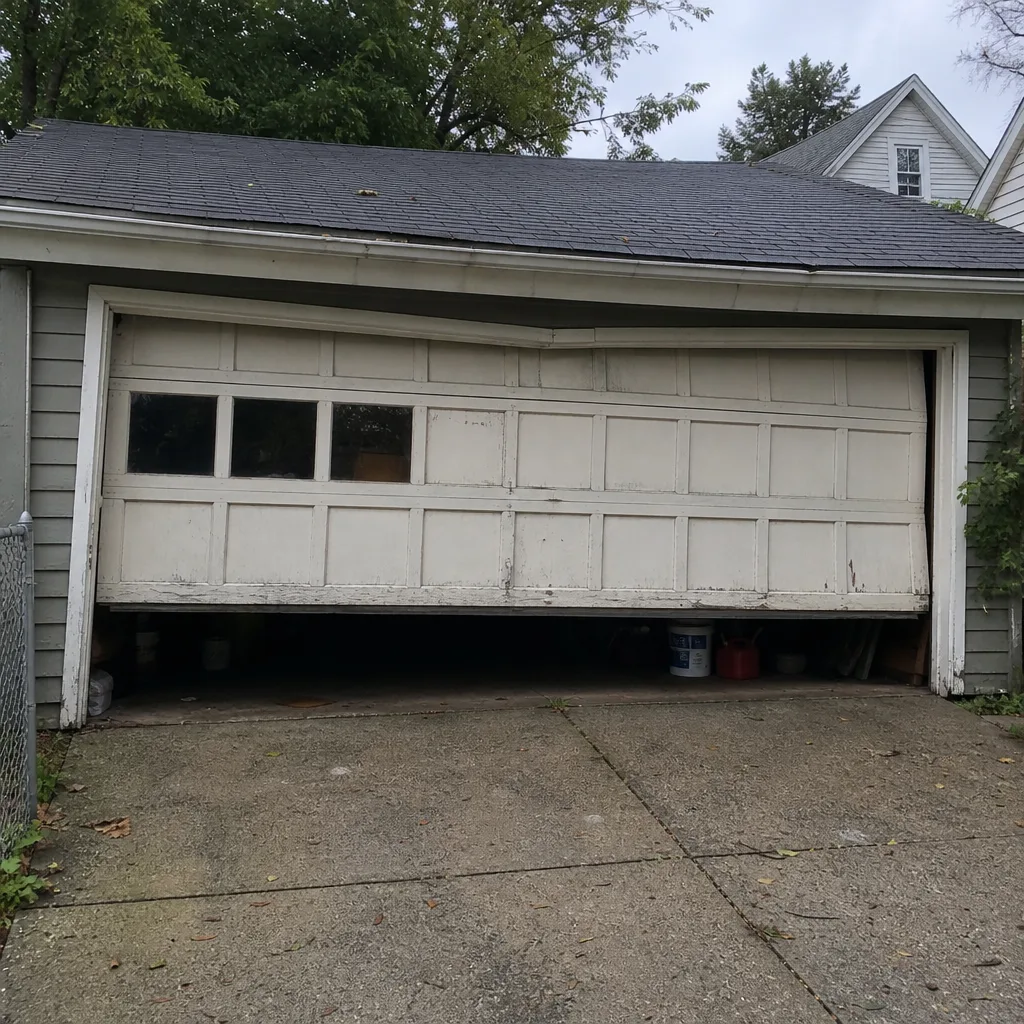 Before
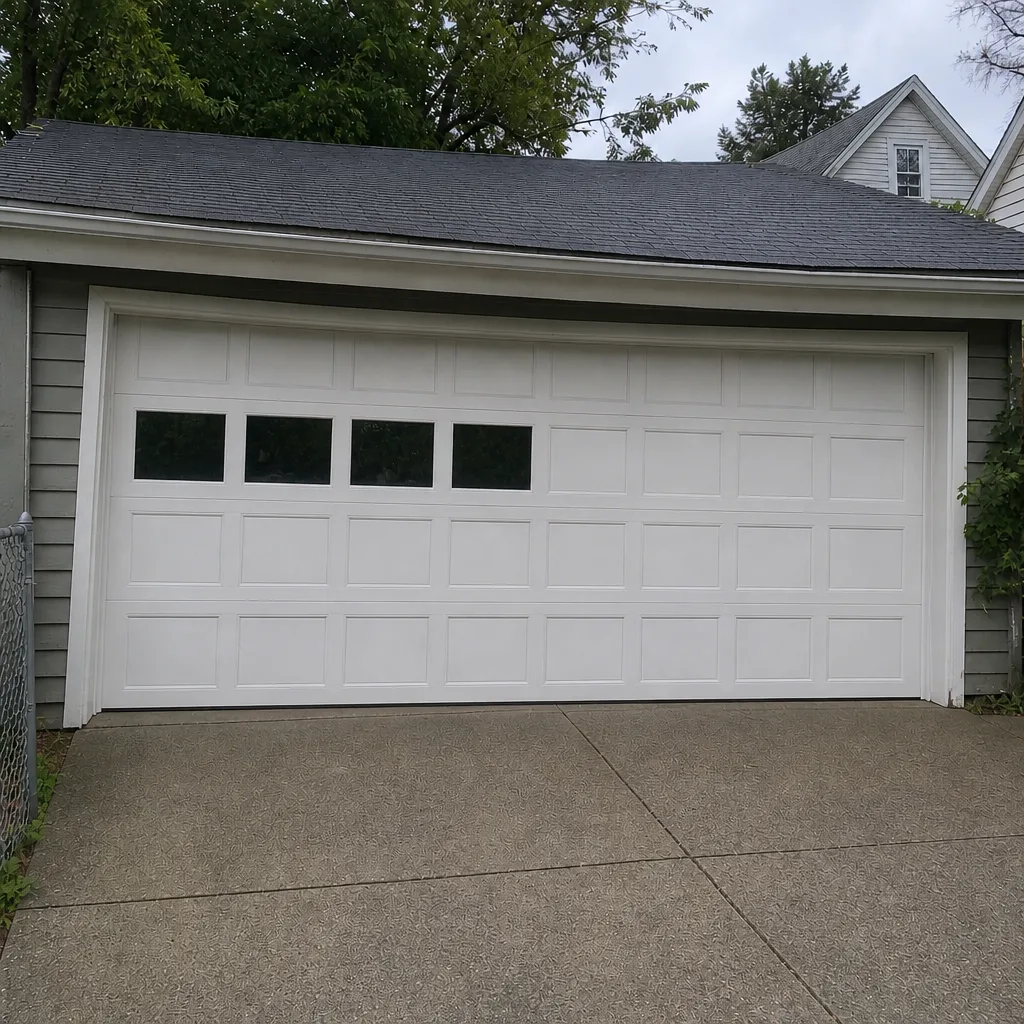 After
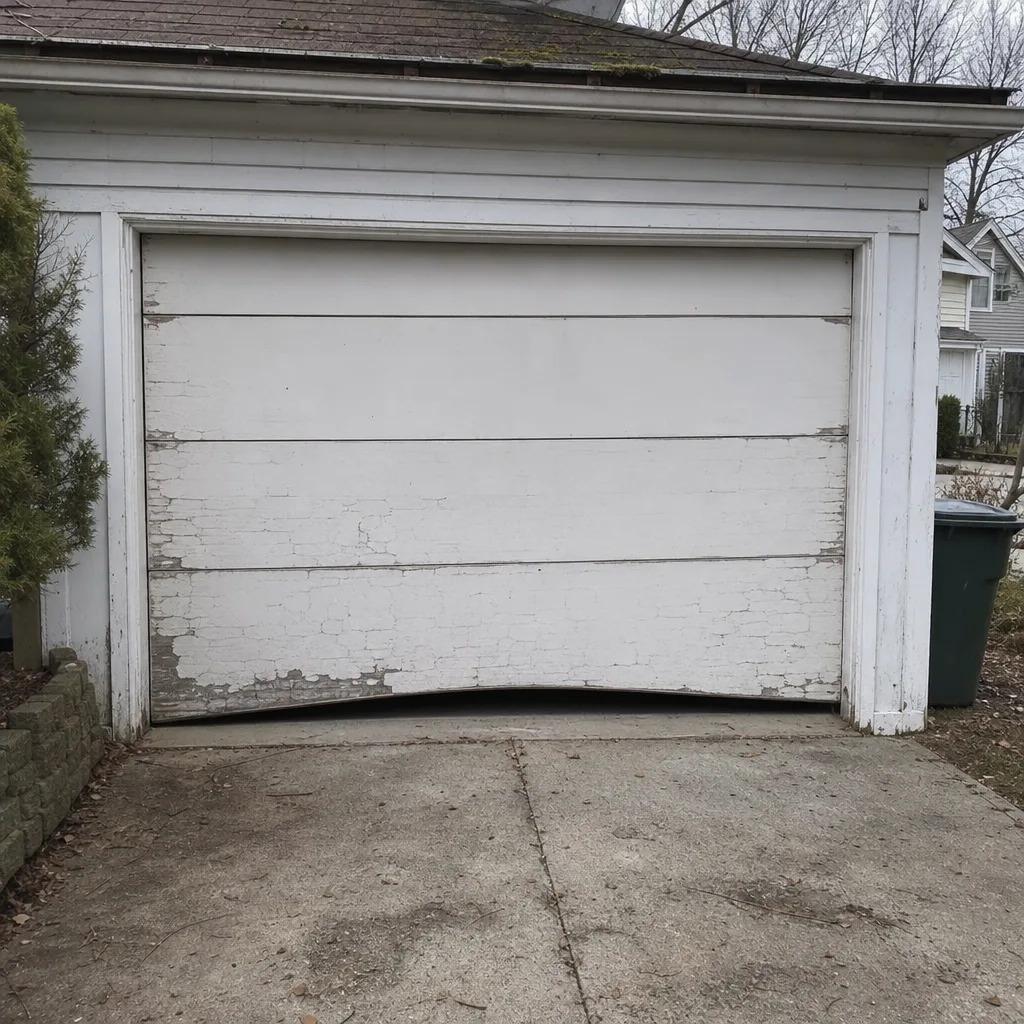 Before
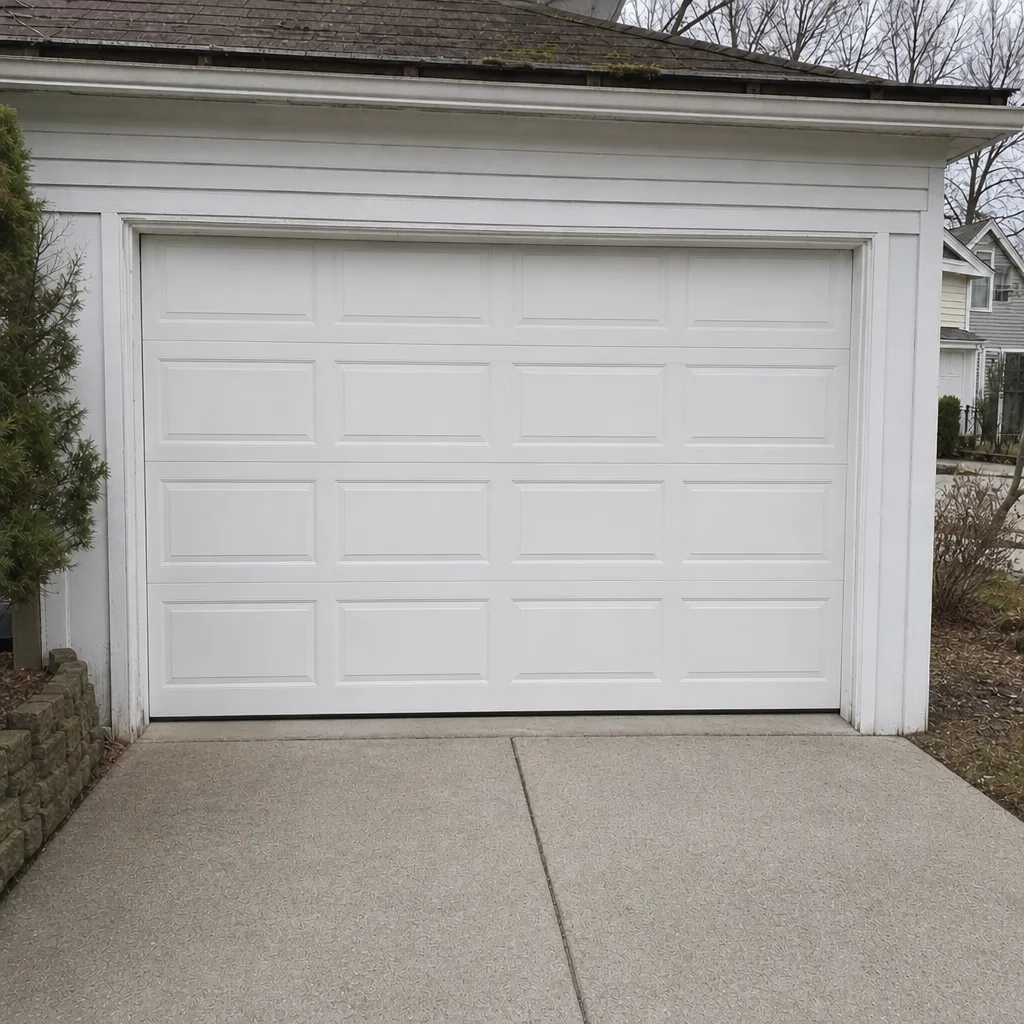 After
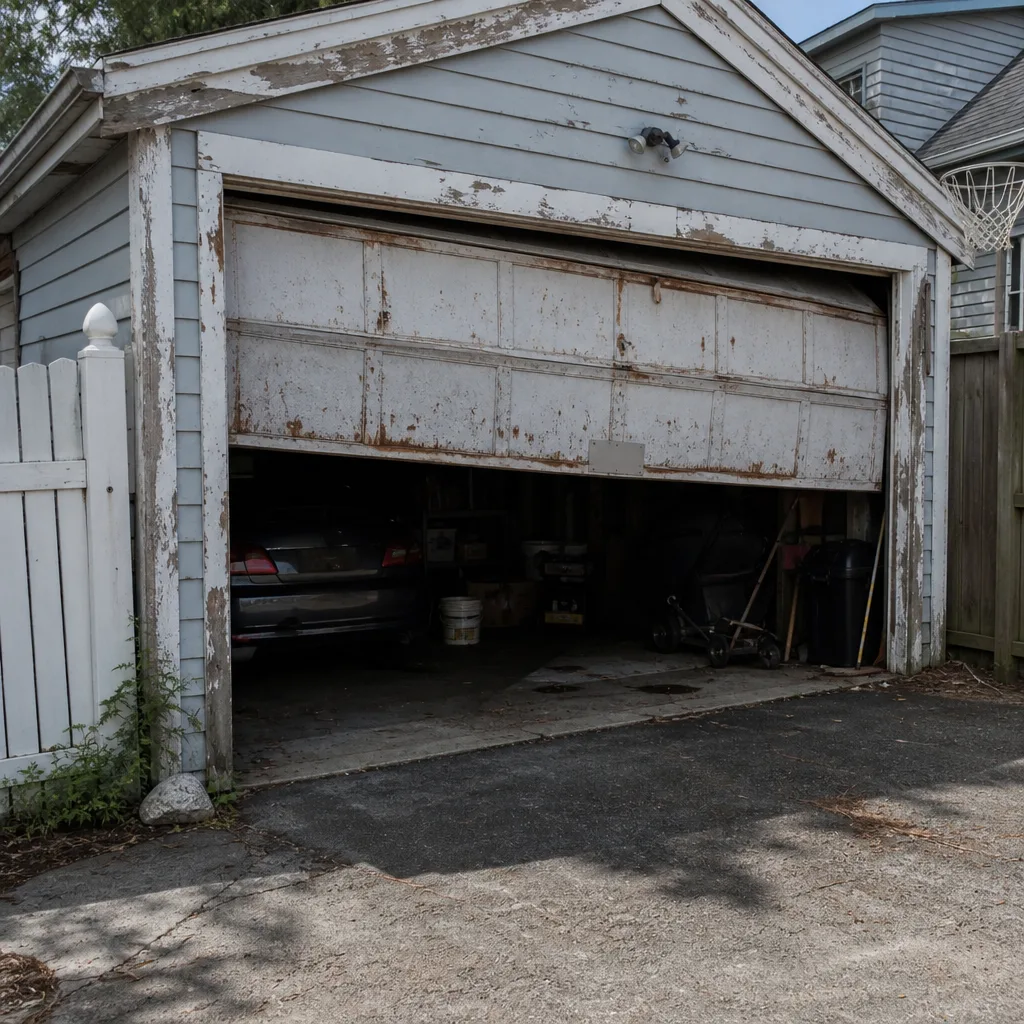 Before
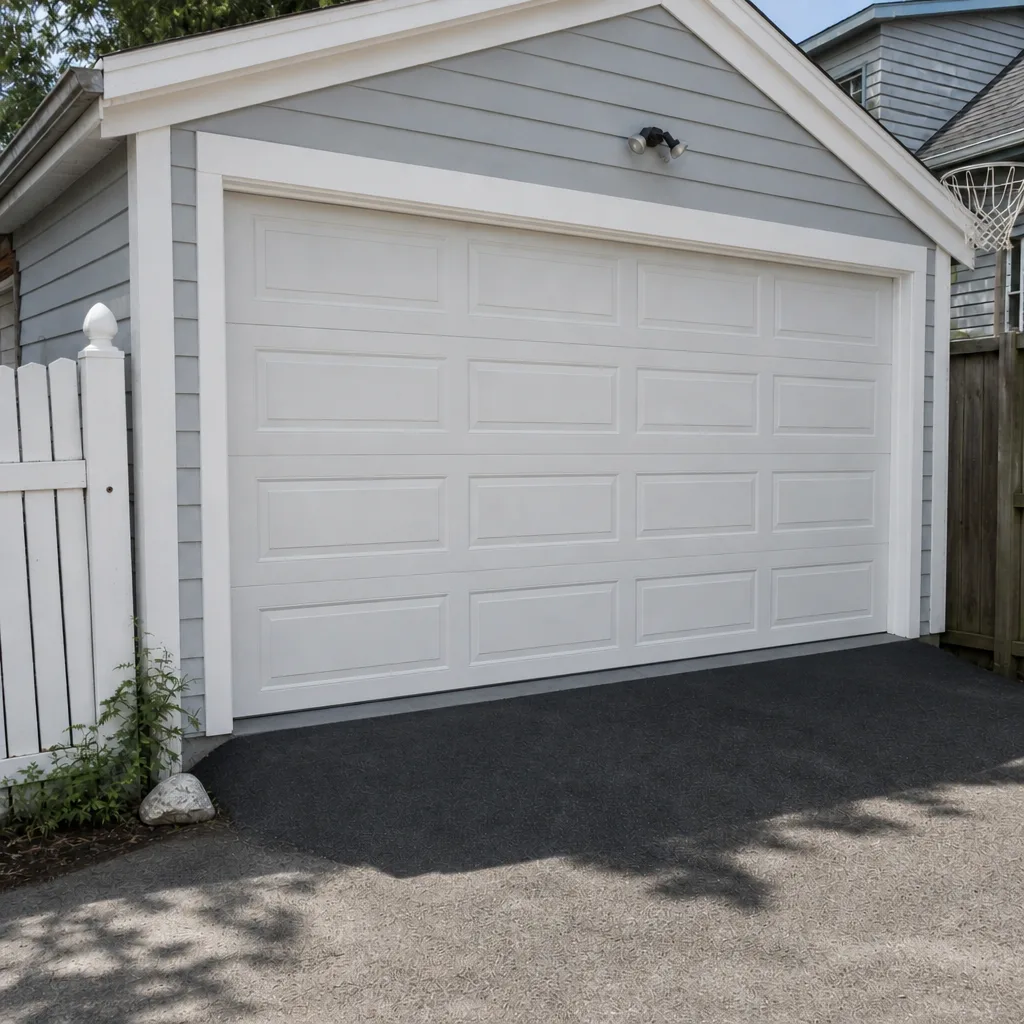 After
When to Call a Professional
Call a professional the moment you see any of the following: a visibly broken spring, a cable that’s slack or off its drum, a door that’s come off one track, a door that reverses on its own before touching the floor, an opener that runs but won’t lift the door, or a door that won’t close at all. Any of those is a safety issue, not a project. If you’re in Lowell and the door is stuck open in a snowstorm or stuck shut when you need to leave for work, we can help – our service covers emergency calls as a core offering, not an add-on. For non-emergency concerns like an odd noise or a door that’s gotten harder to lift, a routine visit is the right call before the problem grows into an emergency. Lowell Garage Door Repair Pros offers free estimates in Lowell – call (833) 509-5209. If a technician is needed to tackle an older or tricky brand-specific problem, our team is trained on the systems most homes in the area actually have.
Frequently Asked Questions
First, confirm the door is fully down and nobody is under it. Then pull the manual release by hand, but only while the door is closed, and test whether the door stays up when you lift it a foot. If it drops back down, a spring has failed: leave the door down, call for emergency service, and don’t run the opener. If the door holds, you may be able to raise it by hand and drive out, but don’t force a door that feels heavy or unbalanced. Call (833) 509-5209 if you’re not sure.
Yes, emergency garage door service is a genuine offering, not a marketing line. When you call, describe the door’s state and brand so the right technician and parts are routed. Same-day availability depends on the day and the failure, and we’ll be honest about timing when you call. Call (833) 509-5209 to check availability.
Cost depends entirely on what failed: a spring, a cable, an opener or a panel each land in a different range, and the brand affects parts. The estimate is free and given before any work starts. Call (833) 509-5209 for an exact quote.
Yes, if the door is fully closed when you pull the release and the spring balance is correct. Test by lifting the door a foot and letting go. If it stays, it’s balanced and you can raise it. If it falls, a spring is broken and you should not operate the door by hand. Always stand to the side, never under the door.
Have the door brand, the opener brand and model, the spring configuration, the door’s current position and your address in front of you. That’s the list that speeds an accurate estimate and a realistic arrival window. If you can see a broken spring or a slack cable, say so on the call.
Don’t push it down and don’t force it. Secure the opening from the inside with locking C-clamps on the tracks above the bottom roller, and block it with a car or heavy object. Then call for emergency service. In Lowell winters, an open door means heat loss and ice on the floor, so this is a call-sooner situation. Call (833) 509-5209 and describe what you see.
The Bottom Line
A garage door emergency in Lowell is a lot less frightening when you’ve done the five-minute audit ahead of time. Test the manual release while the door is closed and the car is in the driveway. Keep the door brand and opener model written down. Know that a broken spring or slack cable means stop, secure and call – never force. Keep the track, seal and rollers clear of ice through the winter, and keep the safety reverse working. If your door fails and you’re not sure what you’re looking at, call Lowell Garage Door Repair Pros at (833) 509-5209 for a free estimate. Our technicians have up to 11 years of experience with the brands and systems most Lowell homes rely on every day.
Written by the team at Lowell Garage Door Repair Pros.